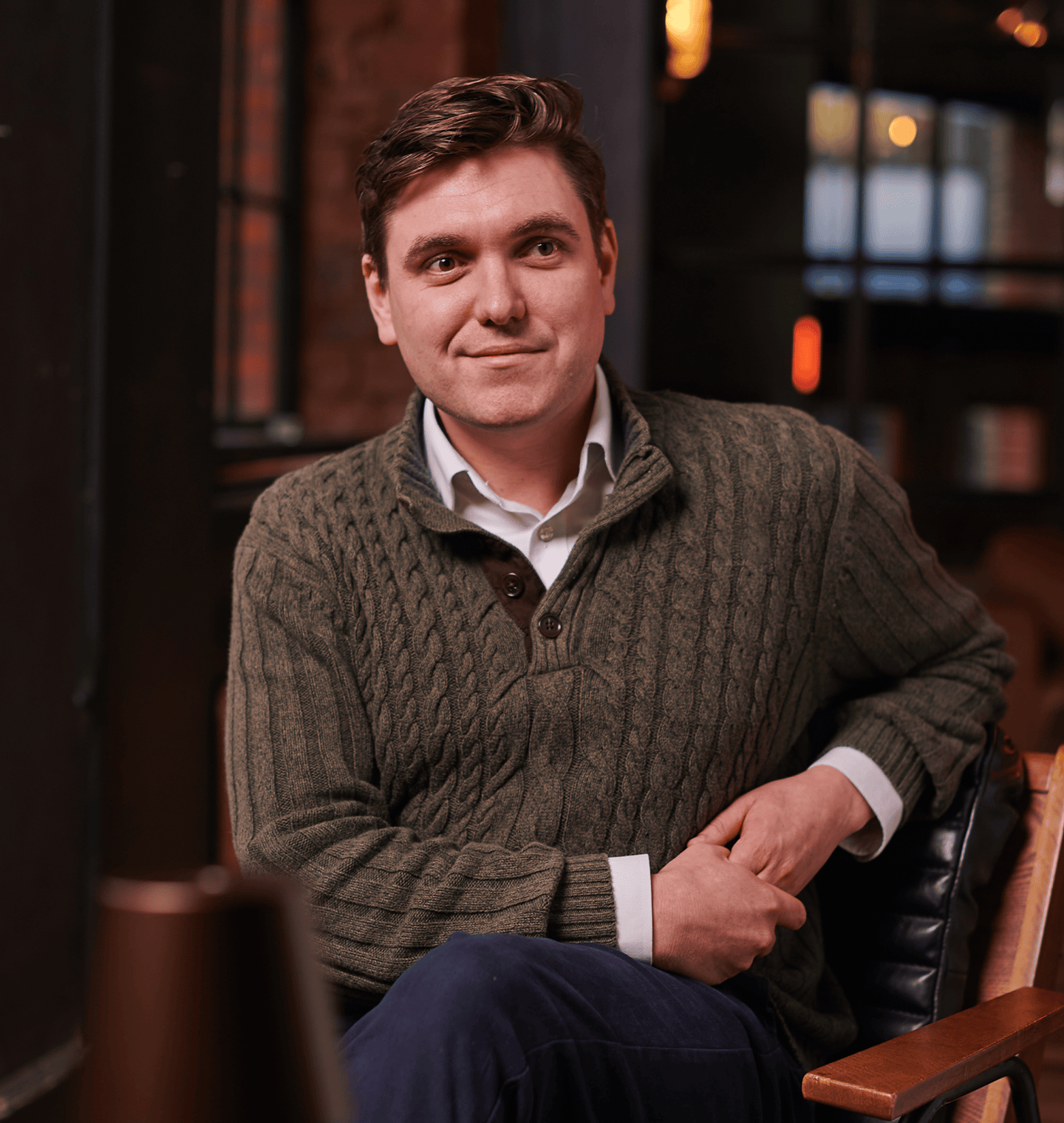
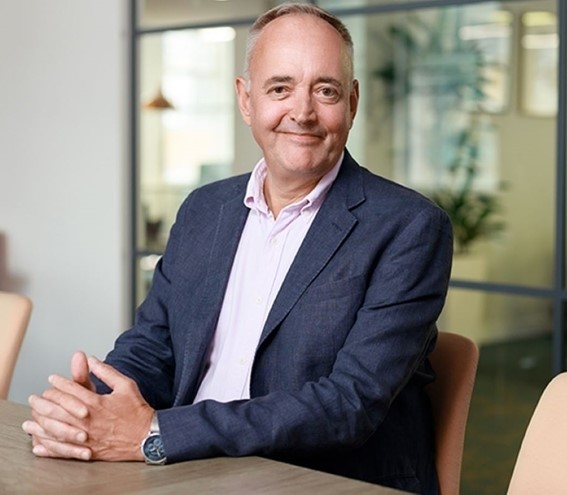
Mike Bell is Chair of the West and North London Integrated Care Board, one of the largest ICBs in the NHS. With more than 25 years’ experience across community, acute and system leadership, he brings a deep understanding of working at scale and delivering change across diverse populations.
In this conversation with our Healthcare team, Mike reflects on the opportunities of system integration, the shift towards prevention and population health, and the leadership required to drive sustainable improvement across London.
You’ve worked across London’s NHS for more than two decades, helping to shape hospital and community services and leading reforms to improve local care. What perspective does that breadth of experience give you in your ICB Chair role post-merger?
Over the past 25 years, I’ve had the privilege of serving on ten trust boards and chairing eight organisations across community, acute and system settings. That experience has certainly shaped my perspective, but perhaps most relevant has been my time within Strategic Health Authorities, including NHS London, where I served as Vice Chair and Interim Chair. That gave me a strong grounding in working at scale, something that feels particularly pertinent in the context of integrated care.
What has deepened that perspective further, however, is having seen the system from multiple vantage points, including being on the receiving end of change. That combination gives you a clearer sense of what is required to make transformation meaningful and sustainable.
The coming together of North Central London and North West London has been both daunting and genuinely exciting. It represents change at a scale and pace we haven’t seen before. There is still work to do in clarifying roles between the ICB and the wider region, particularly around strategic commissioning, but the direction of travel is clear: the ICB must focus on developing solutions that support long-term sustainability, rather than reacting to short-term pressures.
Importantly, we are building on strong foundations. North West London brings some of the best population health data in the country, while North Central London has been leading important work in neighbourhood health and service reconfiguration. Bringing these capabilities together creates a real opportunity to drive meaningful change.
London itself adds another layer of complexity and opportunity. It is the second most diverse city in the world and is reflected in our population. At the same time, London is a global centre for life sciences, home to some of Europe’s largest pharmaceutical companies and two of the world’s leading universities. That combination of diversity, expertise and innovation creates a powerful platform for driving improvement in care.
How do you see the role of integrated care evolving over the next decade, and what will it take to build a genuinely population-focused, prevention-led health system?
At its core, this is about rebalancing the system. For the past two decades, we have seen a sustained focus on the acute sector. The challenge now is to unwind that, and to shift towards prevention, primary care and community-based services.
The 10-Year Plan sets out three clear shifts, and for us the priority is to ensure there is absolute clarity of intent across the system. People need to understand what is changing and why, so they can prepare for that transition rather than simply reacting to it. Alongside that, investment must follow strategy. It is not enough to articulate the direction of travel, we need to back it with meaningful resource.
In West and North London, we are in a relatively strong position. We inherited a system that is broadly in financial balance, which gives us a platform to be more ambitious and try things which could be scaled more widely. Within our three-year plan, we have committed to a significant investment trajectory in primary and community services, starting with 1% of our budget, around £120 million, and rising to 2% and then 3% over the following years. With that comes a responsibility. We see ourselves as having a role in testing what works, investing in community-based models that can demonstrate early impact, particularly in reducing demand on acute services. This is a challenging ask, but at the same time, we know so much more about our patients and our population now than we ever have before and have tools to interrogate this data. This gives us the opportunity to be much better at planning, anticipating and mitigating risks while identifying areas ripe for innovation. The intention is not only to improve outcomes locally, but also to generate evidence that can be shared more widely, helping other systems make informed, evidence-based investment decisions.
Crucially, this is not something the NHS can deliver alone. Integrated care depends on alignment between commissioners, providers, primary care, and the voluntary and community sector. It requires a shared commitment to a common goal: improving population health, not simply delivering organisational targets.
Tackling inequality, improving outcomes and enhancing patient experience sit at the heart of the 10-Year Plan. What do you see as the most important levers for achieving genuine progress in population health across such a diverse region?
The starting point has to be a clear understanding of the scale of inequality. Across West and North London, there is a gap of around 20 years in both life expectancy and healthy life expectancy between different communities. While many of the drivers sit outside the NHS, that does not absolve us of responsibility. In fact, some of our current investment patterns risk exacerbating those inequalities. In our more affluent areas, we may have one GP for every 1,400 people; in less affluent areas, that figure can be closer to one GP for every 3,000. The consequences are predictable: people in more deprived communities are more likely to access care through non-elective routes, often at a later stage and with poorer outcomes. That, in turn, places greater pressure on the system over time. Addressing this requires a deliberate shift in how we allocate resources, particularly within primary and community care. We need to ensure that funding is directed towards those areas of greatest need, not simply distributed evenly or historically.
At the heart of our approach is a commitment to closing the gap between life expectancy and healthy life expectancy. That is a defining measure of success. It requires us to focus not only on clinical care, but also on how services are accessed, how they are experienced, and how effectively they respond to the needs of different communities.
What kind of strategic leadership does the system now need to navigate these realities while still driving improvement and innovation?
There is an important starting point here, which is what I would describe as earning the ‘licence to operate’. As system leaders, we must first demonstrate that we can deliver against our core responsibilities: managing within our allocated budgets and meeting key operational targets, whether that is elective waiting lists or urgent and emergency care performance.
Only once that foundation is secure do we have the space to think more strategically. And that is where a shift is required. For some time, the system has been driven by short-term priorities. What we now need is a generation of leaders who are able to think and act over the medium and long term. In many ways, those skills have been underused in recent years. Rebuilding them will be critical. It means developing leaders who can work effectively in partnership, who can bring providers and stakeholders with them, and who can articulate a shared vision for change.
It also requires us to move away from a zero-sum mindset. If we are to shift resources into primary and community care, acute providers must be able to see the benefits of that shift for their own services. This is not about winners and losers; it is about creating a system that is more sustainable overall.
Ultimately, this is about strategic leadership: holding a long-term vision, building trust across organisations, and delivering change in a way that benefits the whole system.
Finally, reflecting on your own career, what advice would you share with emerging leaders who aspire to make a meaningful difference in health and social care?
I often think about this in terms of three core principles.
The first is purpose. It is essential to have a shared vision of what you are trying to achieve. For me, that centres on tackling health inequalities and improving patient experience. No one sets out to deliver poor care, but achieving consistently good outcomes requires clarity and alignment around that purpose.
The second is partnership. None of the challenges we face can be addressed in isolation. Whether it is working with colleagues across the NHS, with local authorities, or with the voluntary sector, success depends on building strong, collaborative relationships.
The third is passion. This is a demanding sector, and without a genuine commitment to making a difference, it is easy to become fatigued. Maintaining that sense of purpose and motivation is critical, not just for personal resilience, but for sustaining the energy needed to drive change.
What gives me optimism is that we now have far greater insight into our populations than ever before. The data, the analytical tools, and the collective understanding are all there. That puts us in a much stronger position to plan effectively, anticipate challenges, and mitigate risks.
For those coming into the system, it is a challenging time but also one of real opportunity. The need for change is clear, and there is a growing momentum behind it. For leaders who are willing to engage with that challenge, there is a genuine chance to shape the future of health and care.
Sector team

Brett Anderson Consultant
View Brett Anderson
Gracie Linthwaite Associate Consultant
View Gracie Linthwaite
Rhys O’Connell-Davies Project Manager, Health Practice
View Rhys O’Connell-Davies
Sophie Tredinnick Head of Government Practice
View Sophie Tredinnick
Jonathan Morgan Deputy Chair & Head of Regulation Practice
View Jonathan Morgan
Augusta Bunting Head of Board Practice
View Augusta Bunting
Related Insights
Insights
Board Talk: The Next Twenty-Four Months: Boards and the Speed of AI
View Board Talk: The Next Twenty-Four Months: Boards and the Speed of AI
Articles
Healthy Neighbourhoods, Thriving Communities
View Healthy Neighbourhoods, Thriving Communities
Insights
Public sector leadership in 2025 – a view from our government practice
View Public sector leadership in 2025 – a view from our government practice
Articles
From Analogue to Digital: Rethinking Patient-Centred Healthcare
View From Analogue to Digital: Rethinking Patient-Centred Healthcare
Articles
Future Generation Leadership
View Future Generation Leadership
Articles
What will healthcare look like over the coming decade?
View What will healthcare look like over the coming decade?
Articles
What will healthcare look like over the coming decade?
View What will healthcare look like over the coming decade?
Articles
A healthy perspective on executive search
View A healthy perspective on executive search
Articles
What will healthcare look like over the coming decade?
View What will healthcare look like over the coming decade?
Articles
What will healthcare look like over the coming decade?
View What will healthcare look like over the coming decade?