

The traditional career path used to be linear: finish the executive climb, retire, and then look for a non-executive director role. Today, that model is being replaced by a more dynamic dual-track approach. Taking on a board position while still in the executive phase of your career is a powerful professional development tool. It offers a unique vantage point that can significantly enhance your performance in your “day job” while preparing you for a future portfolio career.
While the idea of adding a board role to an already packed executive schedule can sound like a recipe for burnout, often the most effective leaders we work with are not just doing it for the “NED” title on their LinkedIn profile. They are doing it because they have realised that stepping outside their own four walls is often the best way to solve the problems inside them.
Ade Rawcliffe, Chief People and Inclusion Officer at ITV, sits on several boards including Chineke!, where Saxton Bampfylde was proud to support her appointment. Drawing on her extensive experience across diverse sectors, she reflects:
“Serving on boards early in my career was a game-changer. It gave me a unique opportunity to observe and learn from leaders across diverse industries: a perspective you simply cannot get from within a single organisation. By the time I joined the Executive Committee at ITV, I already had the experience and confidence of knowing how boards work and operate, which proved an invaluable foundation on which to build my executive career.”
Why the “day job” wins
The data suggests this is not just anecdotal. Executives who hold external non-executive roles tend to bring back a more sophisticated understanding of risk and a sharper ability to work with their own boards. You move from being someone who “reports” to a board to someone who truly understands how a board thinks.
Piyali Mitra, who brings over 20 years of strategic transformation experience within financial services, found that taking on her first board role offered immediate benefits to her executive output. We were pleased to support her appointment to the Council of the University of Nottingham, and she observes how this external focus sharpens internal performance:
“The core of the NED role is holding executives to account, and experiencing that firsthand gives you a real-time understanding of what it feels like to be in those shoes. It has actually made me much better prepared for my own executive role. I now find myself providing much more fit-for-purpose briefings to my own non-execs because I finally understand how to manage their expectations and what they actually need from me.”
Recent research from the IoD backs up what many of our clients and candidates tell us. Their recent report found that nearly half of all NEDs admit that a reticence to challenge management is one of the biggest hurdles to a board’s success. It is an easy trap to fall into when you have been out of the executive weeds for too long. However, if you are still “in the arena,” you tend to have a much sharper eye for where the floorboards are loose.
A practical laboratory for leadership
Stepping into a different sector, or a business of a completely different scale, gives you a rare chance to look at problems without the baggage of your own industry’s standard way of things. Edward Humphrey, CEO of Marquee TV, whom we placed onto the Board of The Foundling Museum, views this relationship as essential to modern leadership. He says:
“The relationship between a NED role and a C-suite position is absolutely symbiotic. I draw deeply on my executive experience to support the organisations where I serve as a NED, but the perspectives, connections and challenges faced on these boards also enable me to develop professionally and have a greater impact in my day job.”
This sentiment is echoed by those who use these roles to break out of professional “bubbles.” Whether it is a financial services leader engaging with community issues in Middle England or a tech executive navigating the governance of a heritage charity, the cross-pollination of ideas is invaluable. It turns a board role into a sort of practical laboratory for your own executive leadership.
What we are seeing
The boardroom is currently undergoing a rewiring as there is a growing demand for “active stewardship” rather than passive oversight. Boards are looking for current executives who can bring real-time expertise in areas like AI transition and geopolitical resilience; skills that many who are already in the portfolio stage of their career may lack.
This trend is particularly visible in the drive for younger, more diverse perspectives at the table. While Saxton Bampfylde tracks this evolution through our own appointments, we see the same shift reflected in the wider public sector. A notable example is Haris Sultan, who serves as the youngest non-executive director in the NHS. His appointment underscores the value of bringing fresh, current-state insight into established institutions. He notes:
“As the youngest non-executive director in the NHS, I’m very conscious that I don’t bring decades of executive leadership experience to the boardroom. However, what I do bring is a perspective shaped by operating across healthcare at both local and national levels, alongside the insight that comes from being close to future. That combination allows me to contribute a different lens to board discussions, particularly around digital and workforce and how decisions made today will affect the next generation of clinicians and patients.”
However, a word of warning: it is important to distinguish between a standard NED seat and the role of a Chair. We are increasingly seeing younger, high-performing executives being approached for Chair positions due to their modern skill sets. While taking on a Chair role during your executive phase is doable, it is an order of magnitude more demanding, and it is important to bear this in mind.
If you have been weighing up whether now is the right time to take that first seat, it might be worth considering the broader perspective it could give your current role.
Want to receive our Board Talk newsletter?
Ready to appoint your next NED or Chair? We invest time in understanding your organisation, your existing board, and the gap you are really trying to fill. Talk to our board practice about how we can advise on your next appointment.
Our Board Practice Consultants

Stephen Bampfylde Co-Founder & Non-Executive Chair
View Stephen Bampfylde
Siân Brown Consultant
View Siân Brown
Related Insights
Insights
Board Talk: The Next Twenty-Four Months: Boards and the Speed of AI
View Board Talk: The Next Twenty-Four Months: Boards and the Speed of AI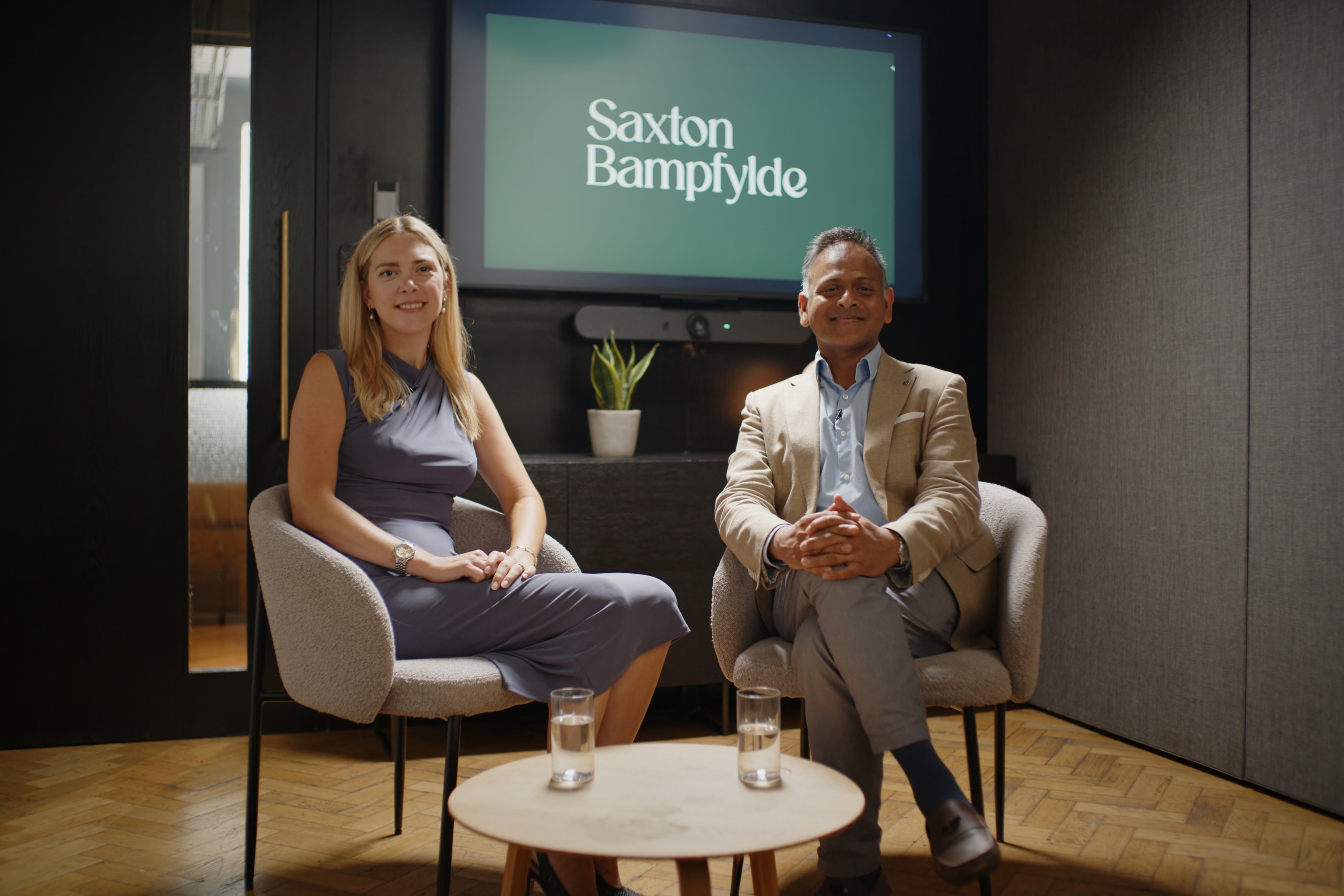
Insights
University governance is about stewardship, strategy and long-term value
View University governance is about stewardship, strategy and long-term value
Articles
Designing Boards to Think Strategically
View Designing Boards to Think Strategically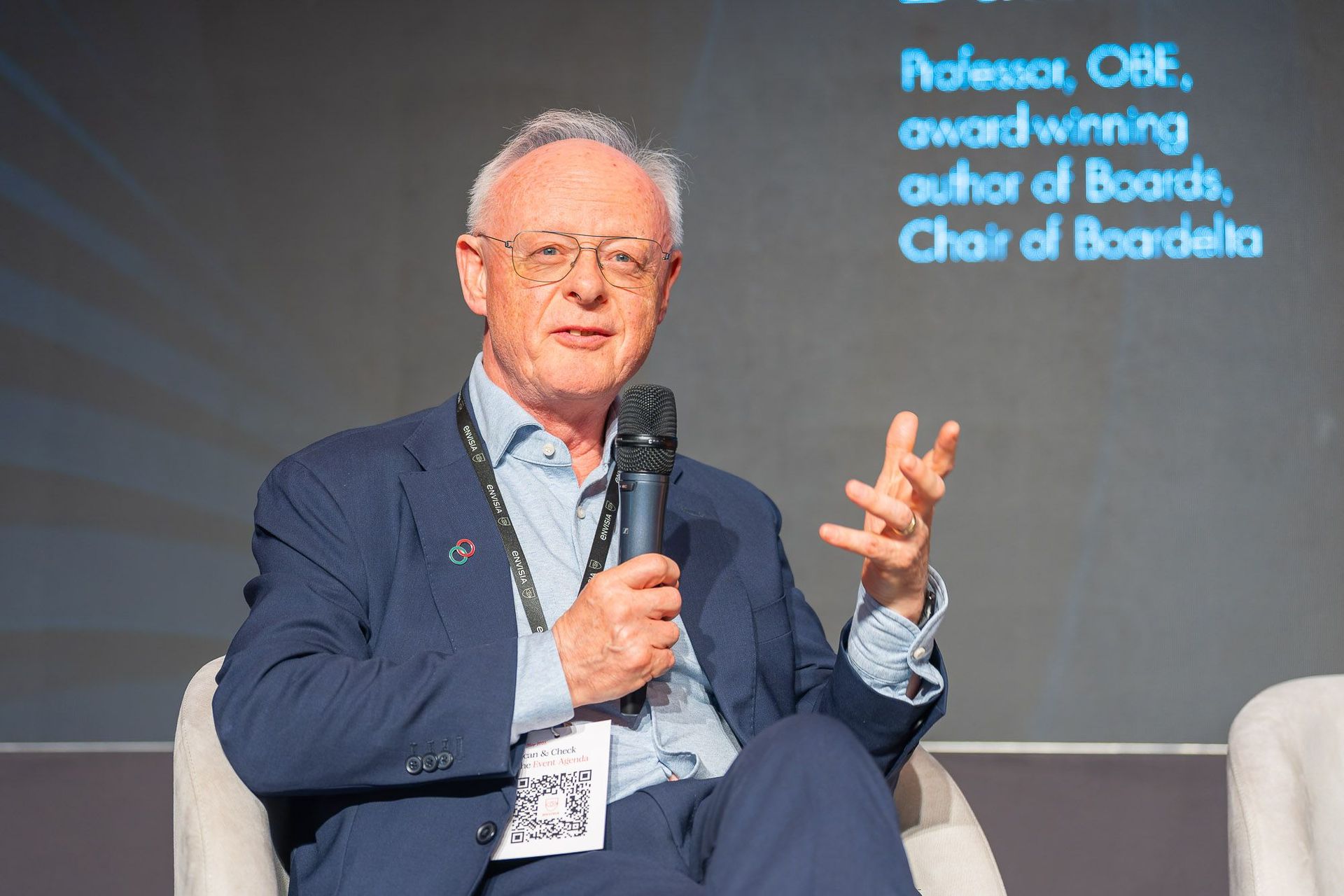
Articles
“Difference isn’t a risk. It’s the point.”
View “Difference isn’t a risk. It’s the point.”
Insights
Breaking Barriers in Tax and Leadership
View Breaking Barriers in Tax and Leadership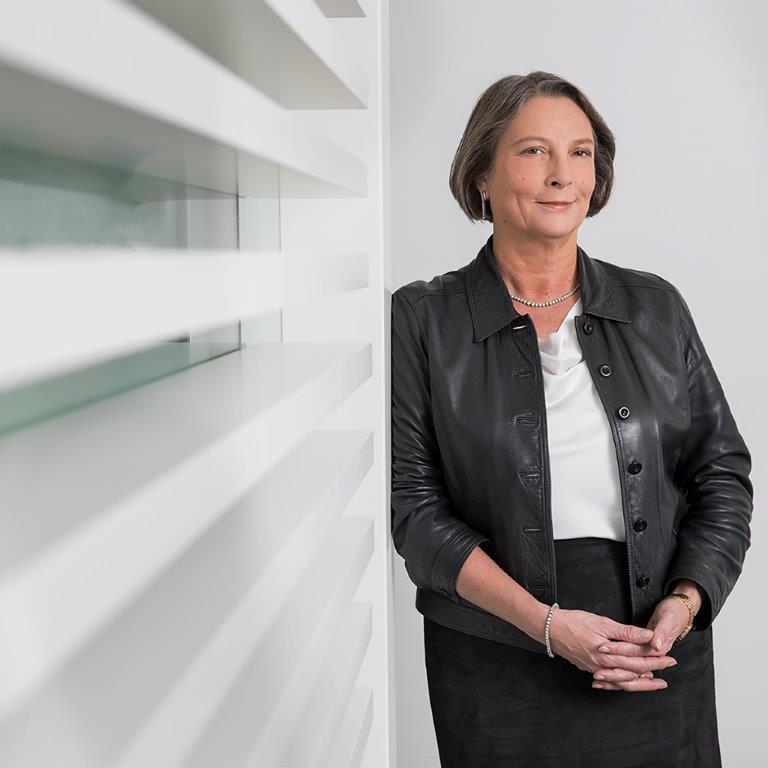
Articles
High Stakes, High Performance: What Elite Sport Teaches Leaders
View High Stakes, High Performance: What Elite Sport Teaches Leaders
Articles
“Automation as our partner, not the sole author of decisions.”
View “Automation as our partner, not the sole author of decisions.”
Articles
“Finally, I’ve Made an Impression”
View “Finally, I’ve Made an Impression”Articles
The Journey of a Search CEO Podcast: Kate Ludlow
View The Journey of a Search CEO Podcast: Kate Ludlow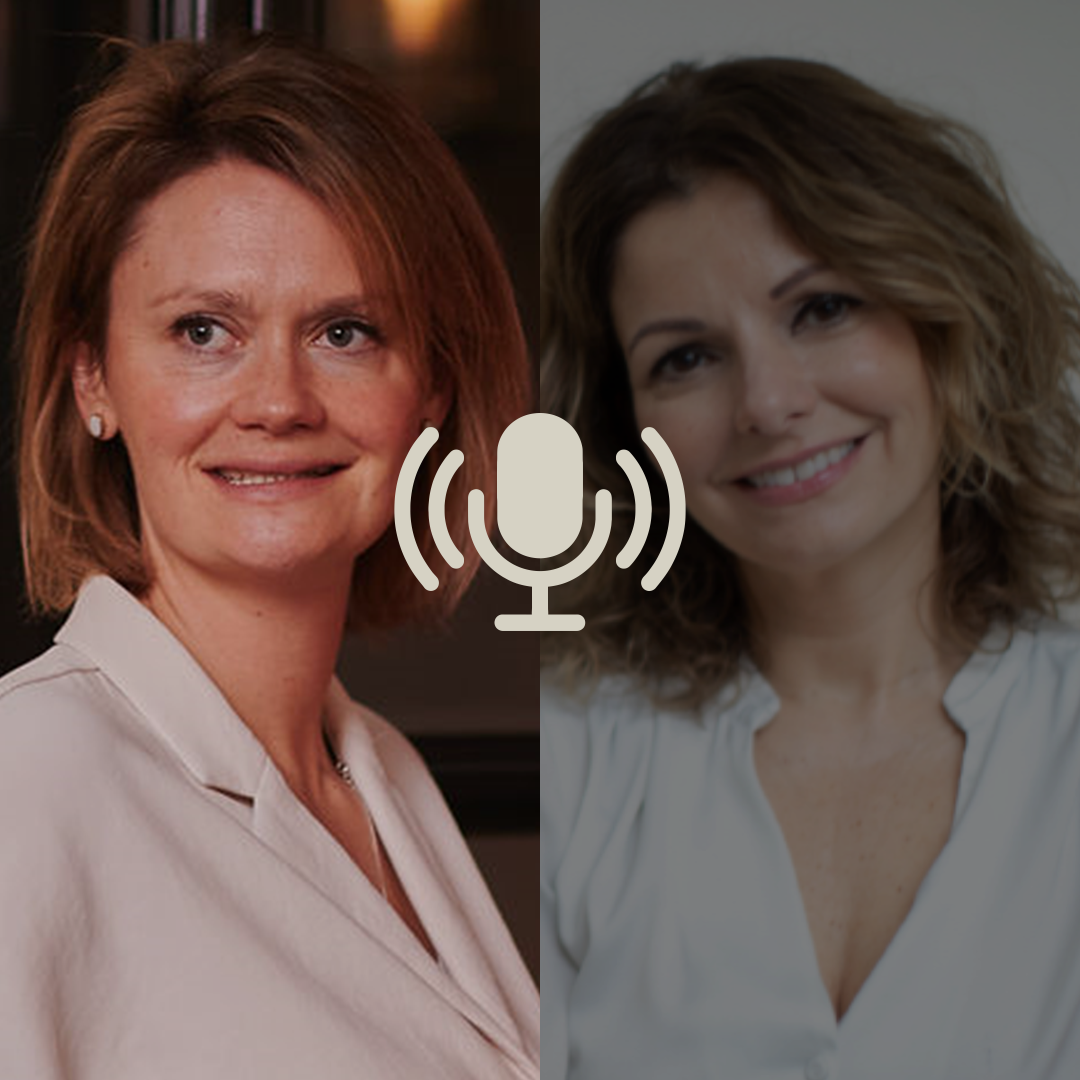
Insights
Social Impact Confidence Index 2025
View Social Impact Confidence Index 2025