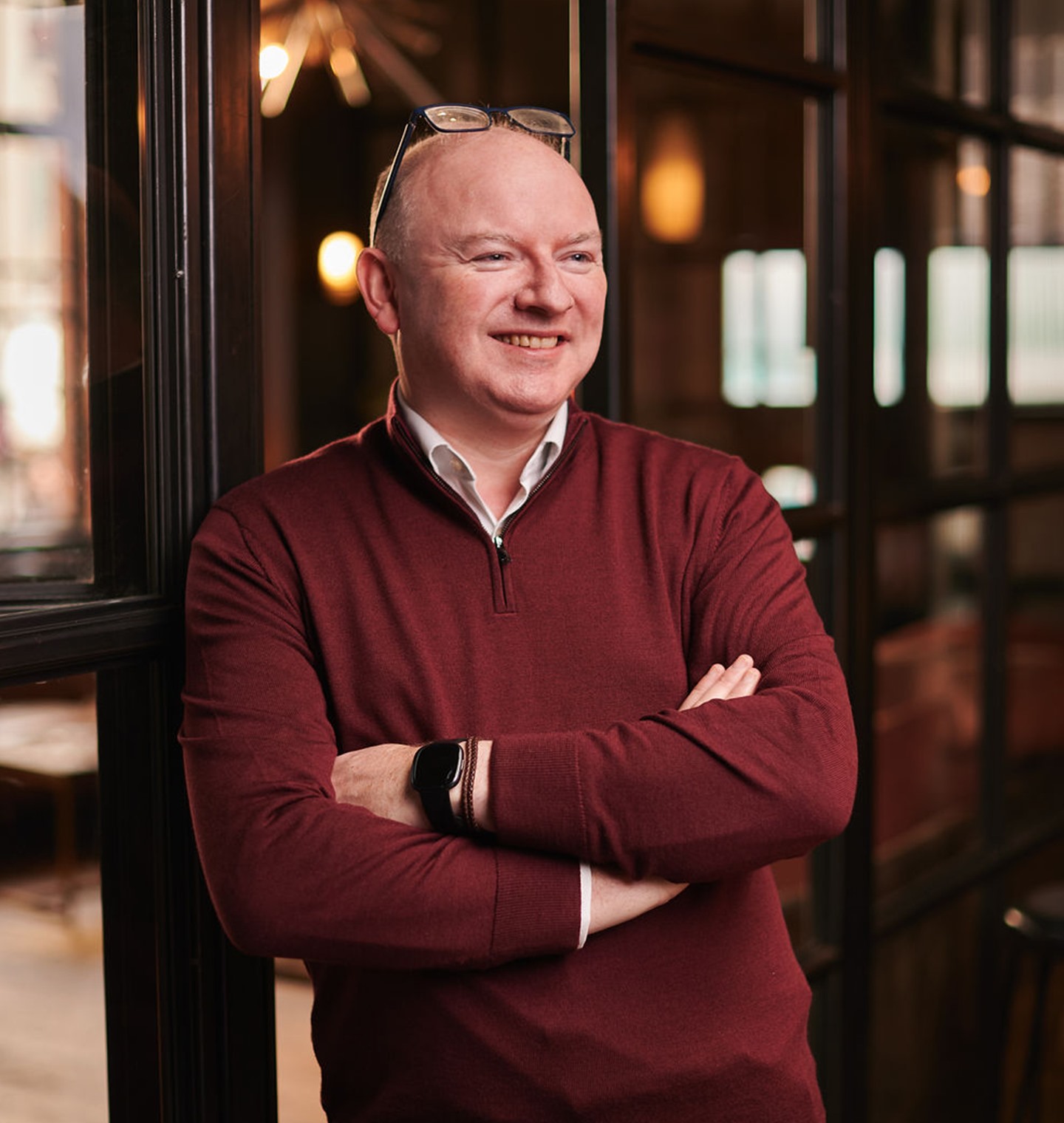
In our work, we have the privilege of advising boards every day. Often, we see brilliant non-executives and trustees working well together, focused on strategic direction and actively considering where the charity they lead can make the most impact.
Just as often, something feels off. We hear things like: “Too much time in the detail.” “Not enough strategic airtime.” “Brilliant trustees and a strong executive, but we’re not quite unlocking them.”
Layer on top of that the pressure boards face to maintain a grip on financial health and key risks, and it becomes clear how easily the long-term view gets crowded out. Strategy becomes something revisited once a year. Mission drift sets in. And before long, no one is sure whether the organisation is still addressing the challenge it was set up to meet in the first place.
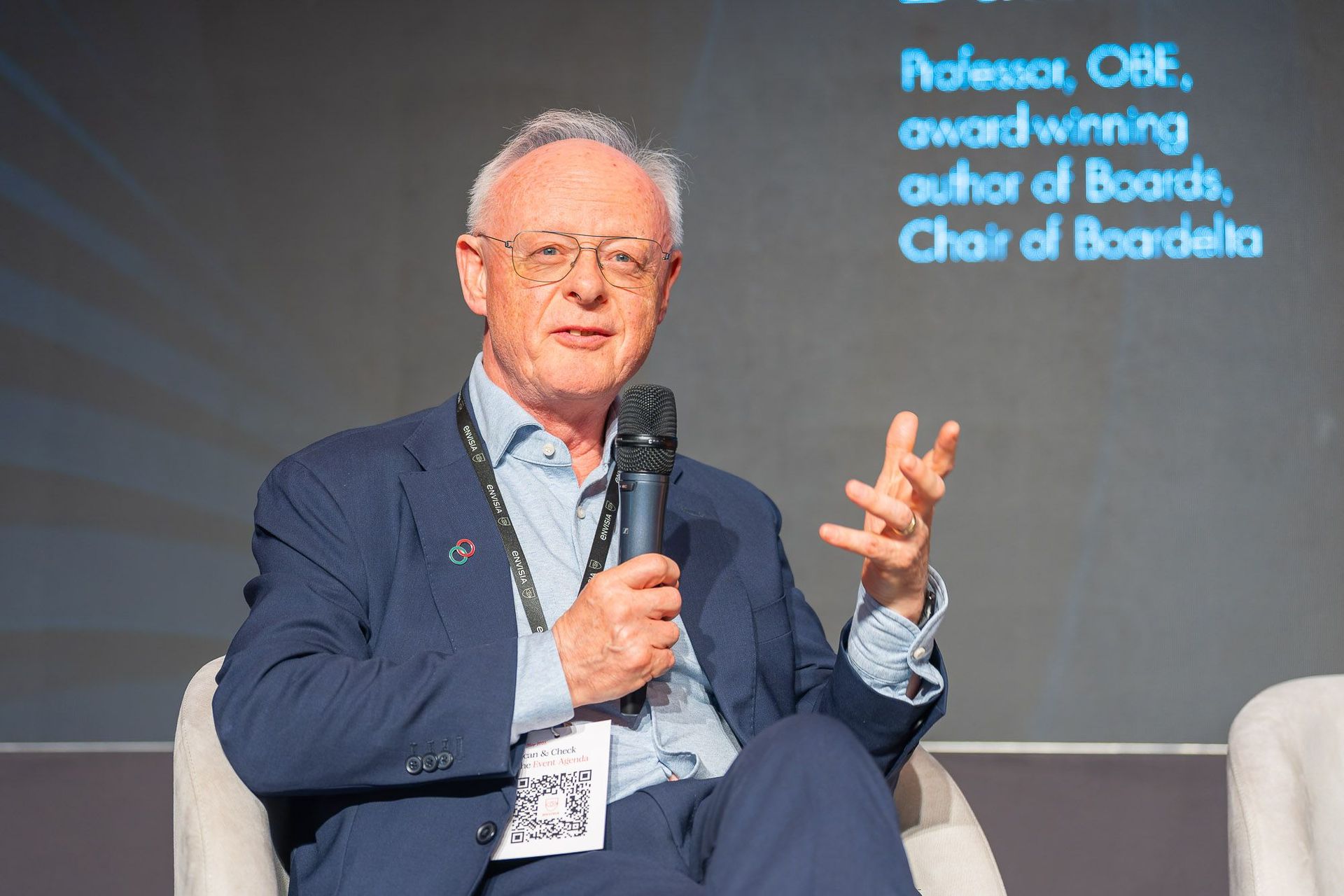
Keeping boards strategic was a theme we explored recently with Patrick Dunne, current Chair of the Royal Voluntary Service. Patrick has spent decades working with and on boards across the spectrum. From start-ups to venture and private equity backed to listed as well as family companies. Across a broad range of sectors and countries in the commercial, social and public sector. He has also chaired many of them. We were keen to draw on his considerable experience, to understand how every board needs to work so it is holding the organisation’s mission and purpose at heart, not just overseeing activities that it delivers.
Patrick shared four observations on what can be done to make sure that every board is focused on the right conversations so that the organisation that they are leading is truly excellent. His consistent message is a challenging one: boards reflect the choices made by their Chairs and CEOs, whether conscious or not.
-
Strategy falters when the board’s “job” is unclear
In Patrick’s experience, the single strongest driver of success, assuming you have a talented board and executive, is clarity on their respective roles in creating, executing and evolving the strategy.
He says you can tell when it isn’t working when strategy is presented by the executive as a fait acomplis with long papers and presentations leaving little time for input or discussion.
His view is that effective boards and their executive understand that:
- The Board’s role is “ensuring” that the organisation has the right strategy, resources and governance to fulfil its vision and purpose and;
- The executive’s is to develop the strategy with input from the board and other key stakeholders, to deliver it and to maintain financial and operational integrity
What this means for Chairs and CEOs:
It means they jointly own responsibility for making the “strategy process” work. They work as a pair, communicate clearly what everyone’s role and the process is and don’t make assumptions everybody knows. They also stimulate a healthy culture of constructive challenge.
-
Boards stay strategic when the Chair–CEO partnership is truly joint
Whether a board operates at the right level is less about structures and more about the health of the relationship between Chair and CEO.
In effective boards, the Chair and CEO see themselves as co‑owners of the board’s effectiveness. The CEO does not experience the board as something to be managed or endured, and the Chair does not position themselves as a gatekeeper or controller. Instead, they are aligned on one core objective: enabling the board to contribute its best thinking to the organisation’s future to maximise value or impact.
Chairs and CEOs who invest time outside of meetings, comparing notes, sharing reflections, and surfacing emerging tensions early, create the trust that allows boards to stay at the right altitude when the pressure rises.
What this means for Chairs and CEOs
- Treat board effectiveness as a shared accountability, not something owned by the Chair alone.
- Be strict about having pre‑ and post‑meeting conversations to align on what the board is being asked to do, not just what it will see in at meetings.
-
Strategic boards are designed, not hoped for
Perhaps the strongest theme running through Patrick’s thinking is that boards do not become effective by chance. They are designed through deliberate choices about composition, behaviour and reflection.
Chairs can make a fundamental contribution through shaping the board culture where scrutiny is not interpreted as a lack of trust, where diversity of thought is not just respected but encouraged and differences are managed effectively and there is a strong sense of alignment and ownership of decisions taken. This requires curiosity, emotional intelligence, good judgement, strong interpersonal skills, finely tune antennae and a willingness to engage well beyond the boardroom.
CEOs, too, shape board behaviour through subtle cues. How issues are framed, what is brought for discussion, and how challenge is invited all signal the level at which the board should operate. Even small disciplines for example, explicitly stating what input is sought from the board in each meeting, materially changes the quality of discussion.
What this means for Chairs and CEOs
- Appoint board members with explicit intent: be clear what perspective or challenge each person is expected to bring.
- Agree ground rules for debate early, especially in boards where personal conviction plays a huge part in why trustees have joined the organisation.
-
Boards that remain strategic make space to reflect on themselves.
We were struck by Patrick’s approach of using the last ten minutes of every meeting as a chance to check in with non-execs and trustees; how had the meeting gone, what value had they added to the executive team, what could be even better for the next meeting. Also to encourage the executive to do the same and then for the Chair and CEO to compare notes and use for feedback.
Being disciplined to ask how the board is working separate from performance and management updates builds trust, sharpens contribution and reinforces shared standards and a healthy culture over time.
What this means for Chairs and CEOs
- Build regular moments of board‑only reflection into meetings. Test yourselves did the non execs or trustees add value to the executive team, did they feel they had the information they needed to do so properly. Who spoke up, who should have spoken up but didn’t – adjust as you go don’t wait for an annual strategy to ask how well you are doing as a Board, keep asking yourselves that question.
If there is a single idea that stays with us from our conversation with Patrick, it is this: strategy is a discipline, not a topic. Effective boards are designed – through what is asked of them, how they are engaged, and how their contribution is shaped over time. When boards get stuck in the weeds, it is rarely because they lack perspective. More often, it is because they have been left to find their own level.
Patrick explores these ideas further in the he latest (Third) edition of “Boards” which will be out in a few weeks. A substantial update on the 2021 edition, reflecting how much has changed for Boards as well as some thoughts on where things are headed and some brand new dilemmas.
Thinking about the composition of your Board? We invest time in understanding your organisation, your existing board, and the gap you are really trying to fill. Talk to our board practice about how we can advise on your next appointment.
Practice Consultants
Nick Ricketts Consultant
View Nick Ricketts
Vidhu Sood-Nicholls Consultant
View Vidhu Sood-Nicholls
Augusta Bunting Head of Board Practice
View Augusta Bunting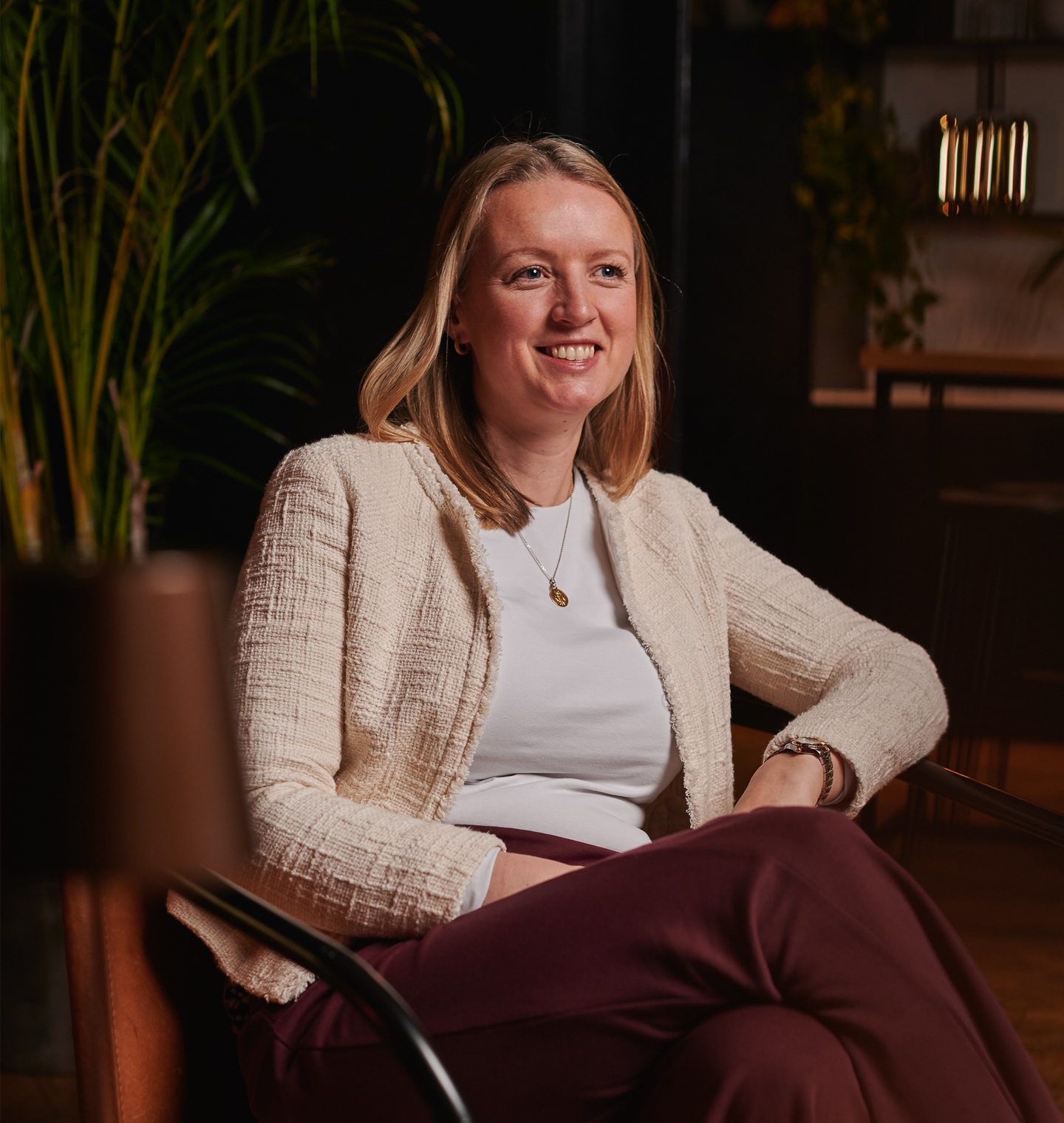
Mary Few Consultant, Head of Scotland
View Mary Few
Related Insights
Insights
Board Talk: The Next Twenty-Four Months: Boards and the Speed of AI
View Board Talk: The Next Twenty-Four Months: Boards and the Speed of AI
Insights
University governance is about stewardship, strategy and long-term value
View University governance is about stewardship, strategy and long-term value
Articles
Board Talk
View Board Talk
Articles
“Difference isn’t a risk. It’s the point.”
View “Difference isn’t a risk. It’s the point.”
Insights
Breaking Barriers in Tax and Leadership
View Breaking Barriers in Tax and Leadership
Articles
High Stakes, High Performance: What Elite Sport Teaches Leaders
View High Stakes, High Performance: What Elite Sport Teaches Leaders
Articles
“Automation as our partner, not the sole author of decisions.”
View “Automation as our partner, not the sole author of decisions.”
Articles
“Finally, I’ve Made an Impression”
View “Finally, I’ve Made an Impression”Articles
The Journey of a Search CEO Podcast: Kate Ludlow
View The Journey of a Search CEO Podcast: Kate Ludlow
Insights
Social Impact Confidence Index 2025
View Social Impact Confidence Index 2025