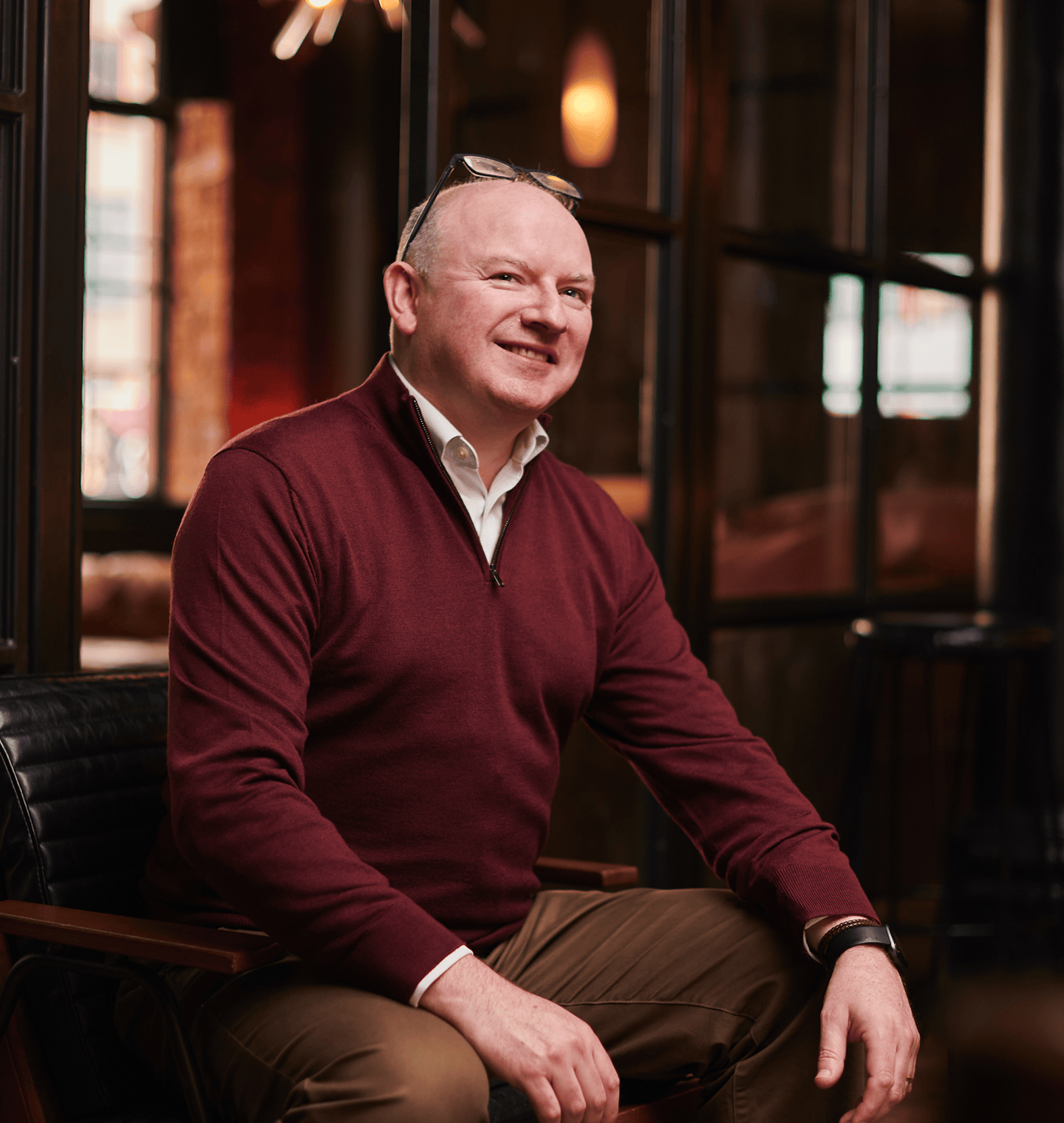
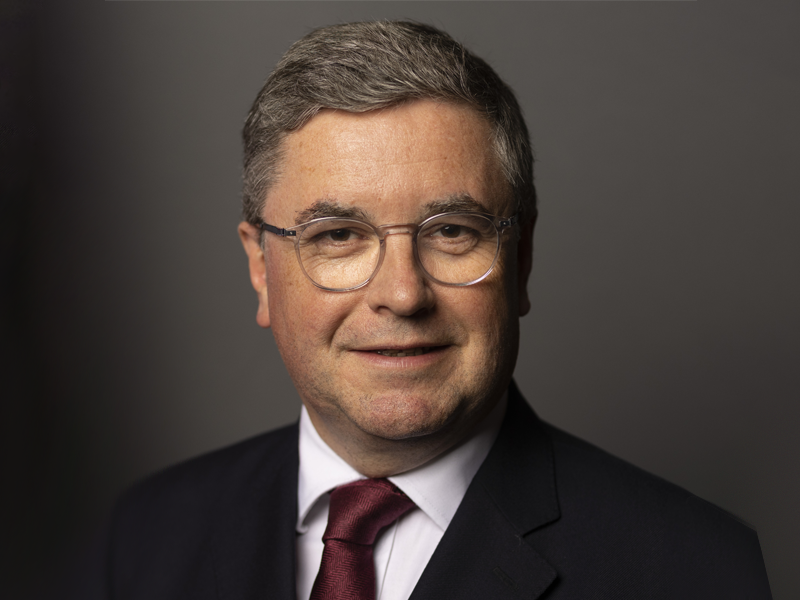
 Aidan Kennedy
Head of Social Impact practice
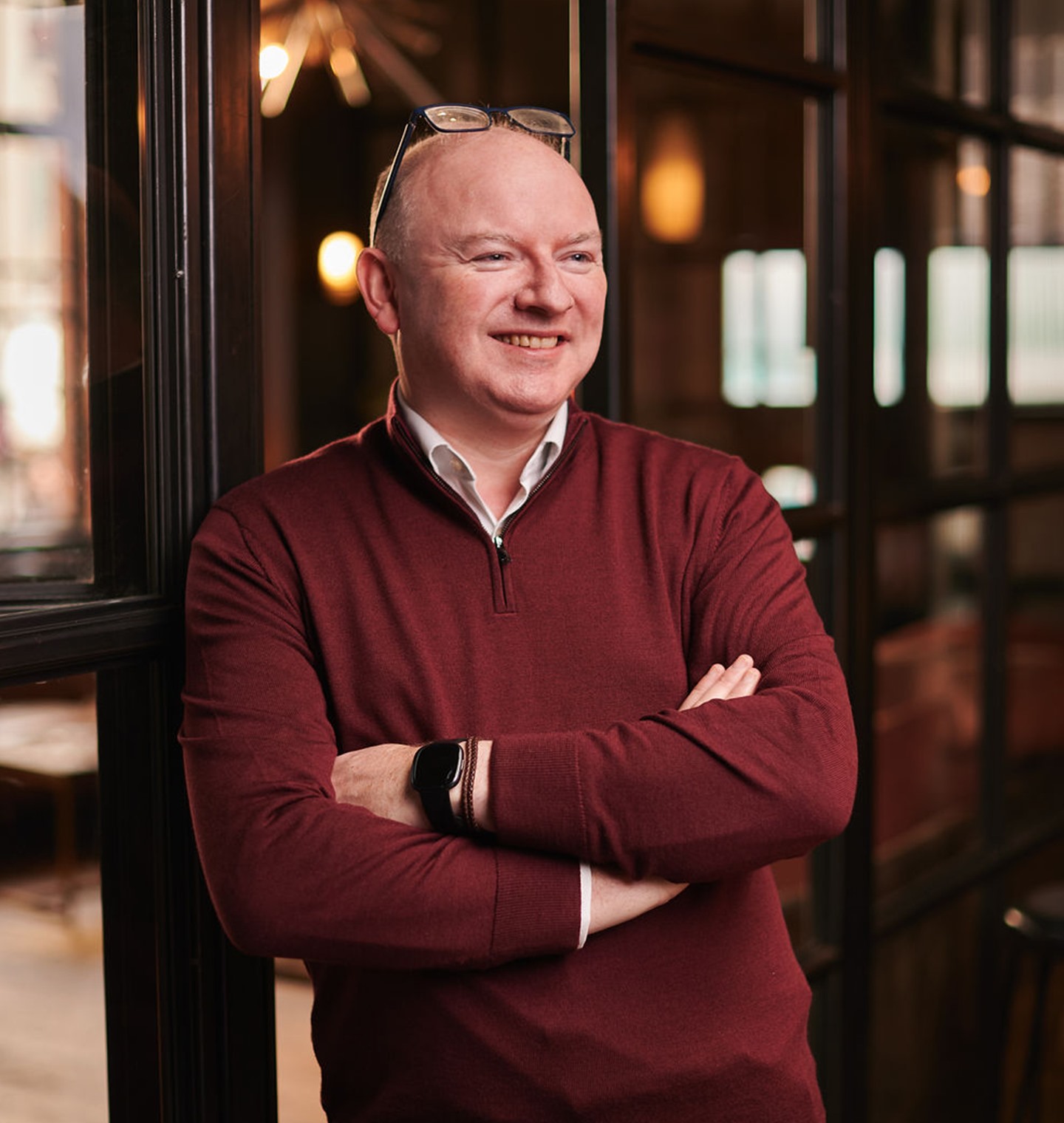

Every year Saxton Bampfylde surveys the CEOs and Chairs of major charities, foundations and social impact organisations to understand how confident they feel about the challenges ahead, and where they see the greatest pressures on their ability to deliver.
The Social Impact Confidence Index draws on the views of 76 leaders across civil society, covering financial stability, the political environment, impact delivery, fundraising and partnerships, and the strength of their executive leadership teams. The picture that emerges is one of genuine resilience in the face of significant headwinds – and a clear-eyed awareness of where the risks lie.
Download the full 2025 Social Impact Confidence Index
The sector’s leaders are confident in their own teams and their ability to deliver, but deeply uncertain about the political and funding environment around them. It is a resilience that is being tested, not broken.
The two areas of highest confidence were the capability of the executive leadership team to manage change and uncertainty, and staff motivation and engagement. Both reflect a sector that has learned to operate under pressure. The areas of lowest confidence were government recognition of the sector’s value, and the reliability of long-term public funding, concerns that have become structural rather than cyclical.
Financial stability
Financial confidence is mixed but not despairing. A majority of leaders (58%) expressed confidence that their organisation has the resources needed to deliver on its mission, though 40% remain uncertain or lack confidence in this. The picture is more positive on strategy: 77% are confident that their approach to navigating current financial challenges will be successful. Attracting new sources of funding is the area of greatest uncertainty, with only 61% feeling confident, a figure that reflects how competitive the funding landscape has become.
Political environment
This is where confidence falls most sharply. Only 24% of leaders feel highly confident that the Government recognises the value of the social impact sector, with 36% expressing very low confidence. Dependence on long-term government funding is viewed with similar scepticism: 32% have very low confidence in its reliability. And just 37% believe the policy and public funding environment will improve during this parliament. It is a striking set of numbers from leaders who have direct experience of how political decisions shape their ability to operate.
Impact delivery
Despite the pressures, confidence in the ability to deliver is notably high. 77% of leaders are confident their organisation will achieve its stated impact goals for the year. A similar proportion — 61% — believe they are equipped to deliver on their mission despite the challenges their sector faces. The resilience here is genuine, not performative. It reflects organisations that have made difficult decisions and kept their focus on what they exist to do.
Fundraising and partnerships
Fundraising confidence is cautiously positive. 56% feel confident in their fundraising strategy for medium-term financial sustainability. Confidence in private sector partnerships is lower at 54% – suggesting that commercial partnerships, whilst valued, remain harder to secure and sustain than many organisations would like. Philanthropic propositions fare somewhat better, with 65% feeling they have a compelling case for philanthropists and foundations.
Executive leadership team
This is where confidence is highest across the entire survey. 83% of leaders are confident their executive leadership team is capable of managing change and uncertainty, with 36% highly confident. Staff motivation and engagement follows closely. These were the two highest-scoring areas in the whole index, and they matter: they suggest that the talent at the top of the sector is holding strong even as the environment around it becomes more difficult. The one area of leadership concern is pipeline, only 65% feel there is a strong internal pipeline for future leadership appointments, a figure that speaks directly to succession planning as an area the sector needs to invest in.
The overall picture from the 2025 index is of a sector that has developed a particular kind of hardiness. Leaders are confident in their teams, their mission and their ability to deliver, even as they remain deeply uncertain about the environment they are operating in. That combination of internal confidence and external uncertainty is a defining characteristic of social impact leadership right now.
The pipeline finding is the one we would draw particular attention to. With only 65% of leaders confident in their internal succession pipeline, and with so much pressure already on executive teams, the question of where the next generation of charity leaders will come from is one the sector needs to address, not when a vacancy arises, but now.
We hope the findings serve as a useful starting point for conversations across the sector. If you would like to discuss what you are seeing in your own organisation, or talk through what good leadership planning looks like in the current environment, we would welcome the conversation.
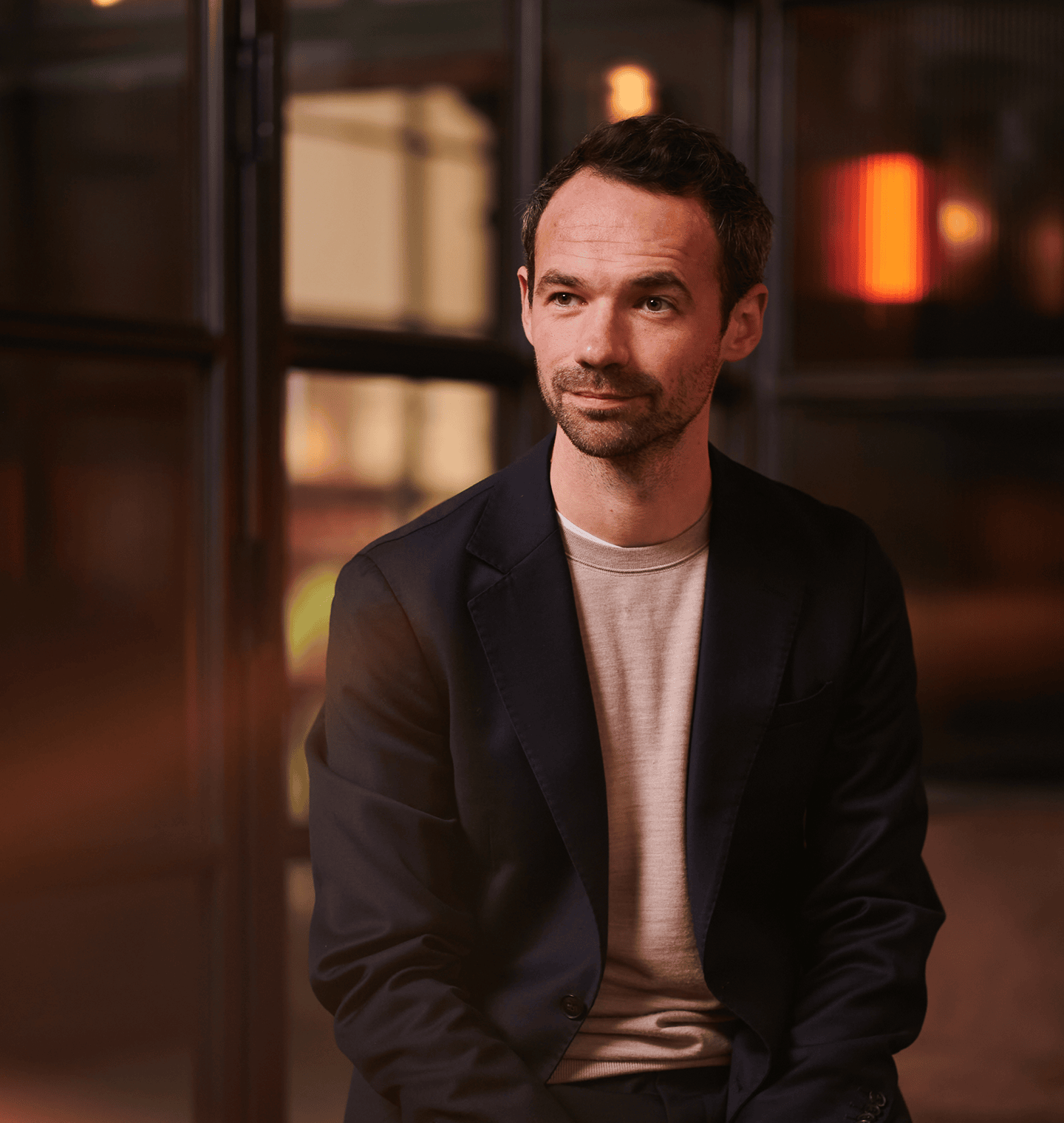
The Social Impact Confidence Index is conducted annually by Saxton Bampfylde executive search and leadership advisory consultants. The 2025 survey was led by Aidan Kennedy, Nick Ricketts and Vidhu Sood-Nicholls, with responses from 76 Chairs and CEOs of major charities, foundations and not-for-profit organisations. Saxton Bampfylde is the leading executive search and leadership advisory firm for the charity and social impact sector.
Aidan Kennedy
Head of Social Impact practice


Insights
Insights
Insights
Articles
Articles

Articles

Insights
Articles

Articles
Articles