Key Contact
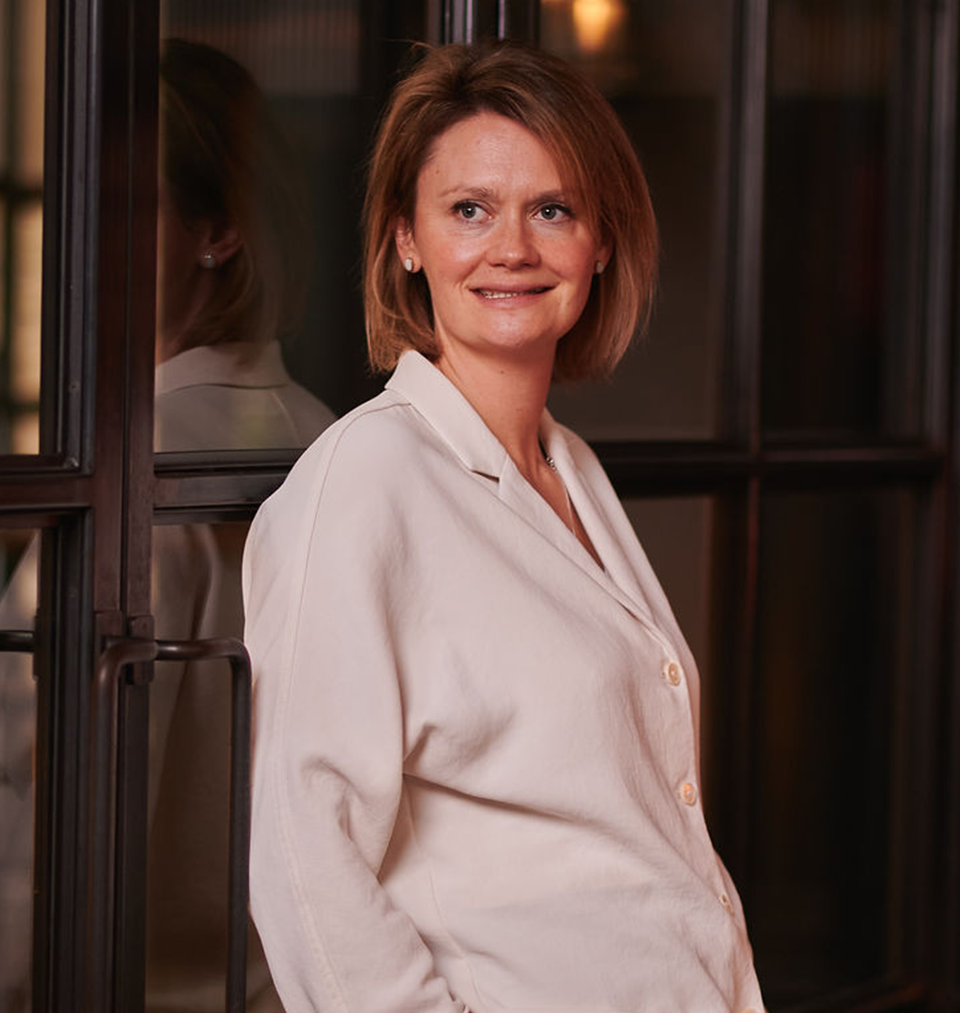
Kate Ludlow
CEO and Head of Legal Practice

Periods of renewal invite a particular kind of clarity. Not a rejection of what has gone before, but an opportunity to look again at what really defines you.
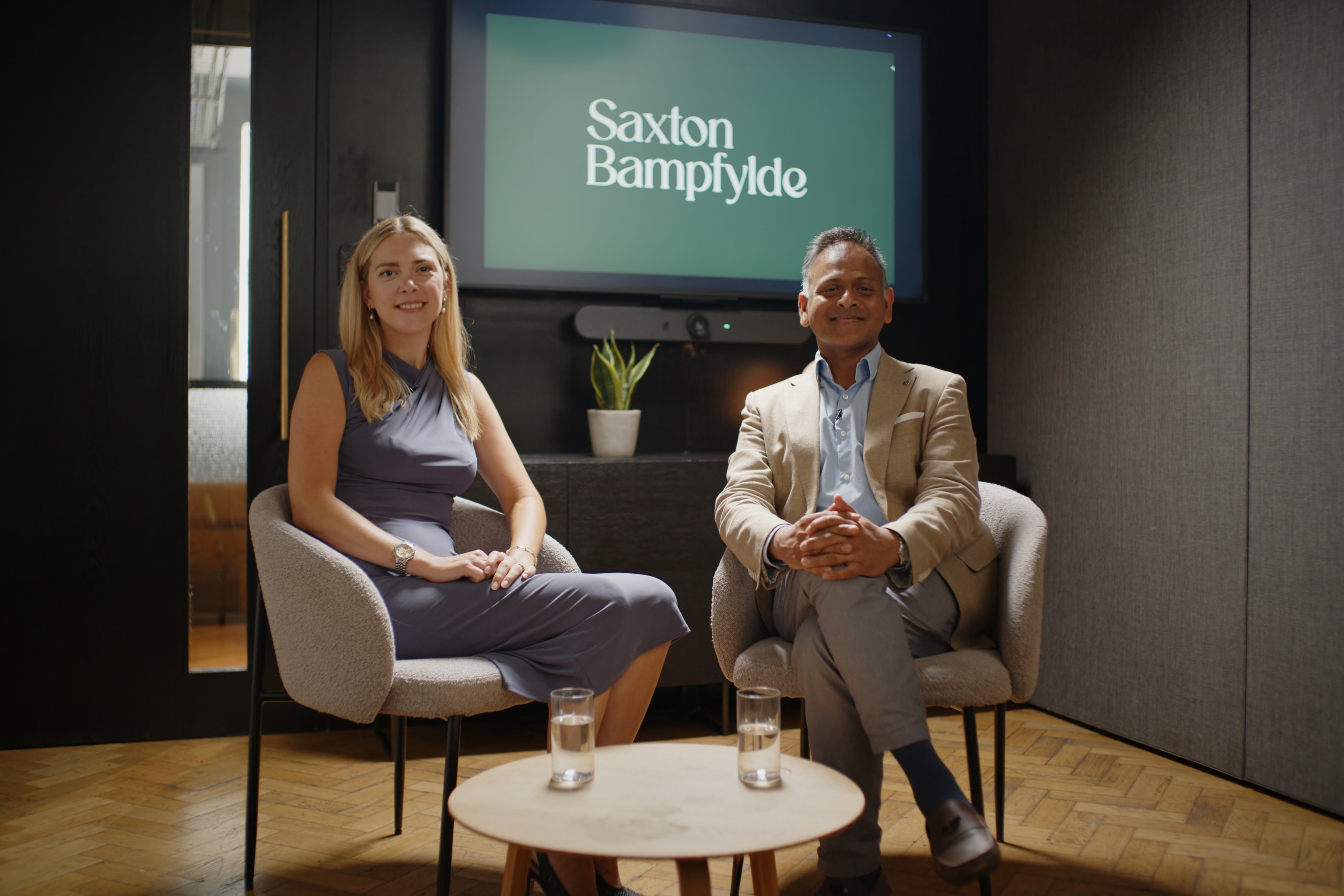
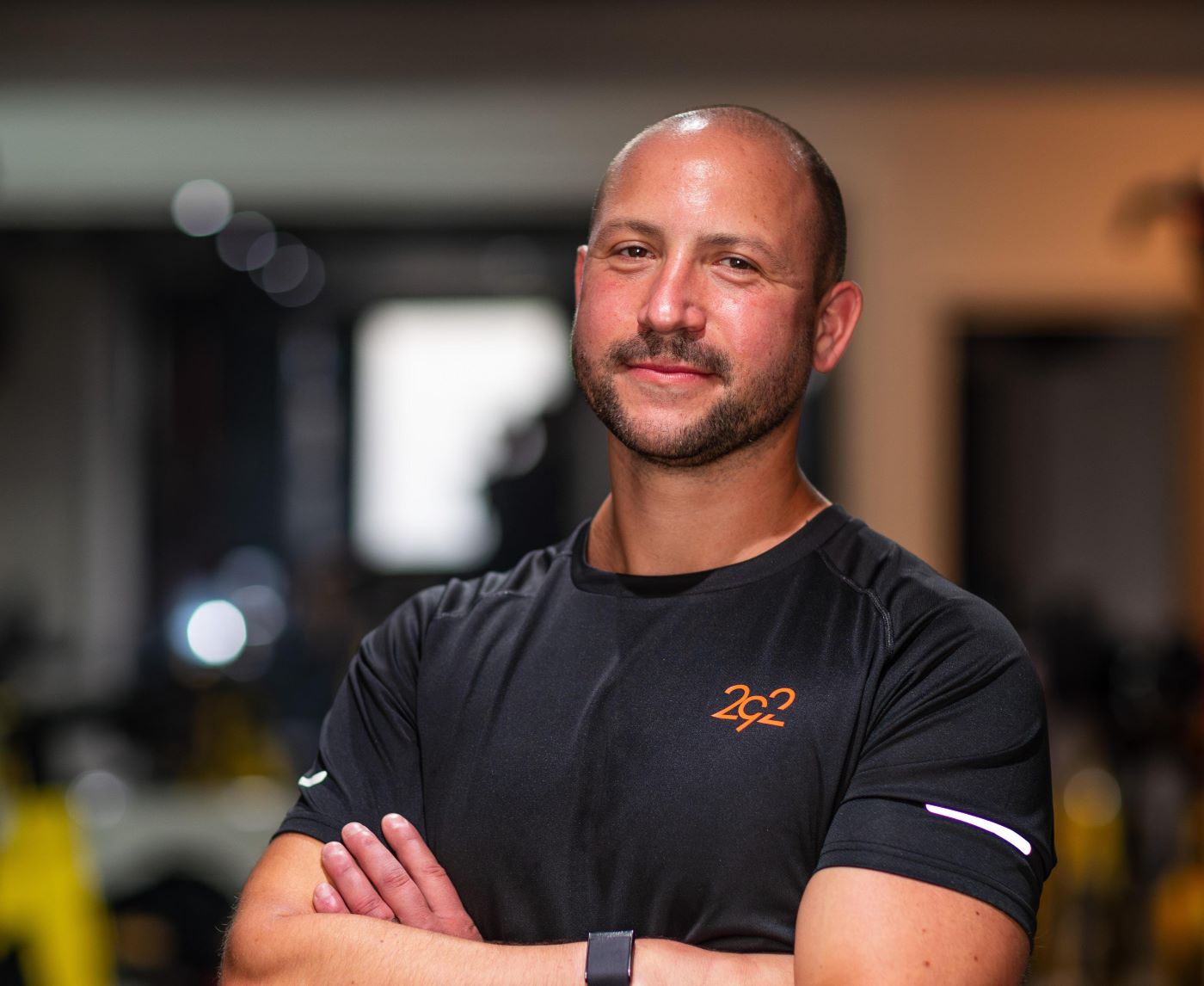
As Saxton Bampfylde enters a new chapter, this conversation with Elliot Moss, Chief Brand Officer at Mishcon de Reya and presenter of Jazz Shapers on Jazz FM is particularly timely. It explores what it takes to evolve with intent. Brand is not just how you look on the outside, but how you think, decide and behave.
Elliott moves easily between worlds that are often treated as opposites – law and radio, structure and creativity, seriousness and play. He reflects on the disciplines that sit beneath creativity, the importance of frameworks that liberate rather than constrain. Most importantly, he talks about why the connection between what organisations say and how they behave is the true measure of a brand.
His perspective is a reminder that renewal is rarely about surface change. It is about making the invisible visible: sharpening purpose, aligning identity, and creating the conditions in which people and organisations can perform at their best. Something we hope you recognise in our new branding.
You operate in two worlds that seem to prize different things — law values precision and risk mitigation; radio thrives on spontaneity and imagination. What has each discipline taught you about the other?
I think the premise is right — but the conclusion people usually draw is wrong. Creativity and precision aren’t opposites. In fact, real creativity only exists once you understand the problem you’re trying to solve.
Whether I’m in law or on the radio, I’m doing the same thing: giving structure and context, and being clear about what matters and why. Each teaches you to understand the construct — the shape of the problem. Once you can see that clearly, you can decide what to keep, what to change, and what to let go.
People mistake spontaneity for chaos. What sounds spontaneous is usually highly prepared. I’m very structured in how I create spontaneity. Preparation is what allows you to be free.
There’s also a deeper truth. You can’t have a great creative product without discipline, and you can’t have a great legal answer without imagination. At their best, both professions demand precision and creativity.
Instinct plays a role too — but instinct is just intelligence at speed. Pattern recognition built over time. Law sharpens that. It has certainly made me more particular, more exacting. I know now that it has to be right.
I don’t script my radio interviews, but I do a lot of research. I know the terrain. Because I’ve done hundreds of interviews, I recognise patterns and can pull on precedent — which any lawyer will recognise as a skill. It’s structured curiosity. The skill is knowing when to shut up and let someone fill the space. That’s where truth sits. Any good lawyer does the same thing: “Explain that to me. Help me understand why.”
Jazz is improvisation within structure. Where do you see that balance playing out in how organisations should think about their evolution and identity?
I don’t see it as a tension at all. A good framework is liberating.
The legendary advertising guru Sir John Hegarty used to talk about “processes that liberate creativity”. That’s exactly right. Without a framework, you don’t move.
Earlier in my career, people would say, “I want to be in charge.” I’d hold up a blank piece of paper and say: If this excites you, you’ll be great. Your job is to shape thinking — the client’s and the team’s — and turn ambiguity into direction. That’s framework.
When I joined Mishcon, the challenge was clear: famous name, but not a famous brand. People had heard of us, but didn’t really know why — or they thought we only did divorce work, which is a tiny part of the business.
A non-creative response is: “I’m a litigator, hire me.” A better response is to show outcomes — time saved, money protected, risk avoided — and what that meant for the client.
Once you define the problem properly, creativity becomes purposeful. There’s no point riffing randomly. The best people are diagonal thinkers. They don’t separate creativity and commerciality. They understand they’re the same thing.
You’re building brand in a sector where much of the best work is confidential and the best outcomes are crises that never happen. How do you make the invisible visible?
You start by being honest about what brand is — and what it isn’t.
Listing services isn’t brand. Listing clients isn’t brand. Saying “we obtain injunctions” doesn’t persuade anyone.
Brand starts with why. What drives the people in the business? What’s the benefit to the client?
For us, the purpose is: We help our people and our clients shape the world’s possibilities. It’s deliberately written in English, not legal language.
For clients, that means shaping their possibilities — protection, growth, resolution, peace of mind. For our people, it means opportunity, development and impact.
At the centre is what we call our essence: enlightened tenacity. Tenacity is expected — everyone wants their lawyer to fight. Enlightened is our difference: progressive values, intelligent thinking and a sense of responsibility about the role of law in society.
That’s where the Mishcon strapline It’s business. But it’s personal. comes from. It isn’t marketing fluff; it’s an organising principle.
We don’t need to shout about cases. When we act in high-profile matters, the media does that for us. The real brand lives in the benefits we consistently articulate — and in how people experience us.
What’s the key lesson in aligning internal identity with external perception?
Credibility is everything. Dissonance kills brands — whether it’s between internal and external messaging, or between what you say and what you do.
I think of brand as an expression of the organisation at its best. It’s an aspiration, not a claim of perfection.
If you say, “At our best, this is how we behave,” people can believe in that. You’re inviting them to live up to something — not asking them to pretend.
That matters particularly to younger professionals, who want their employer to stand for more than profit. Our social impact work — pro bono, LGBTQ+ rights, racial justice — is all part of the brand because it’s real. It’s behaviour, not advertising.
Brand is also physical. Offices matter. How people are welcomed matters. Whether the place feels cared for matters. That’s brand too.
And internally, lawyers are a sharp audience. They spot nonsense instantly. So we manage internal and external audiences together. We talk to our people before they read things in the media. That’s just how we operate now.
Many leaders worry that visible creative interests undermine credibility. You’ve clearly rejected that trade-off. Why?
The easy answer is that I’m not a serious person! The real answer is that I didn’t see it as a trade-off. I believed the radio programme would help me do my job — drive growth — and it has.
I treat it like any other product. We review the return on investment every year. If it stopped working, we’d stop doing it.
What looks unusual inside the legal industry looks completely normal elsewhere. People buy people now. They don’t want you to be a box.
Clients want competence first — obviously. But they also want authenticity. They want a human being.
When I started working, there was a clear divide between work you and home you. That world has moved on. But the profession is still catching up.
Difference isn’t a risk. It’s the point. The minute we lose our difference, we’re dead.
Finally, if you were curating a playlist for leaders navigating 2026 — a period of reinvention as much as uncertainty — what three records would you choose?
First: coping with chaos — Once in a Lifetime by Talking Heads. It’s about asking, “How did I get here?” Leadership is staying calm in that moment.
Second: resilience — I Will Survive by Gloria Gaynor. It’s funny, gauche and brilliant — and it’s about coming back after setbacks.
Third: bravery — Sledgehammer by Peter Gabriel. Bold, crafted and unconventional. In times of exponential change, there is no playbook. You need people willing to break through.





Insights
Insights

Insights
Insights

Articles
Articles

Insights

Articles
Articles

Articles