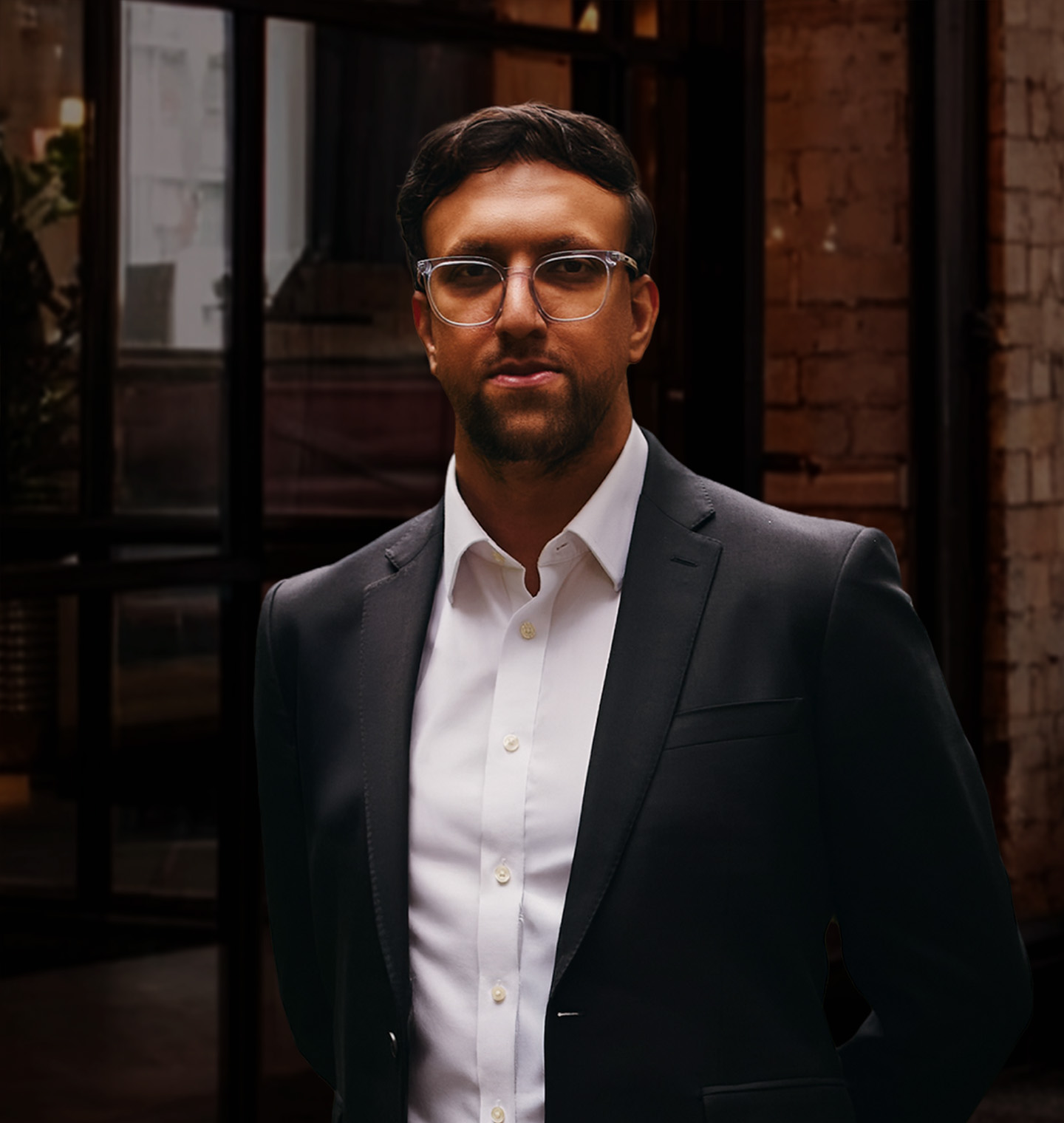
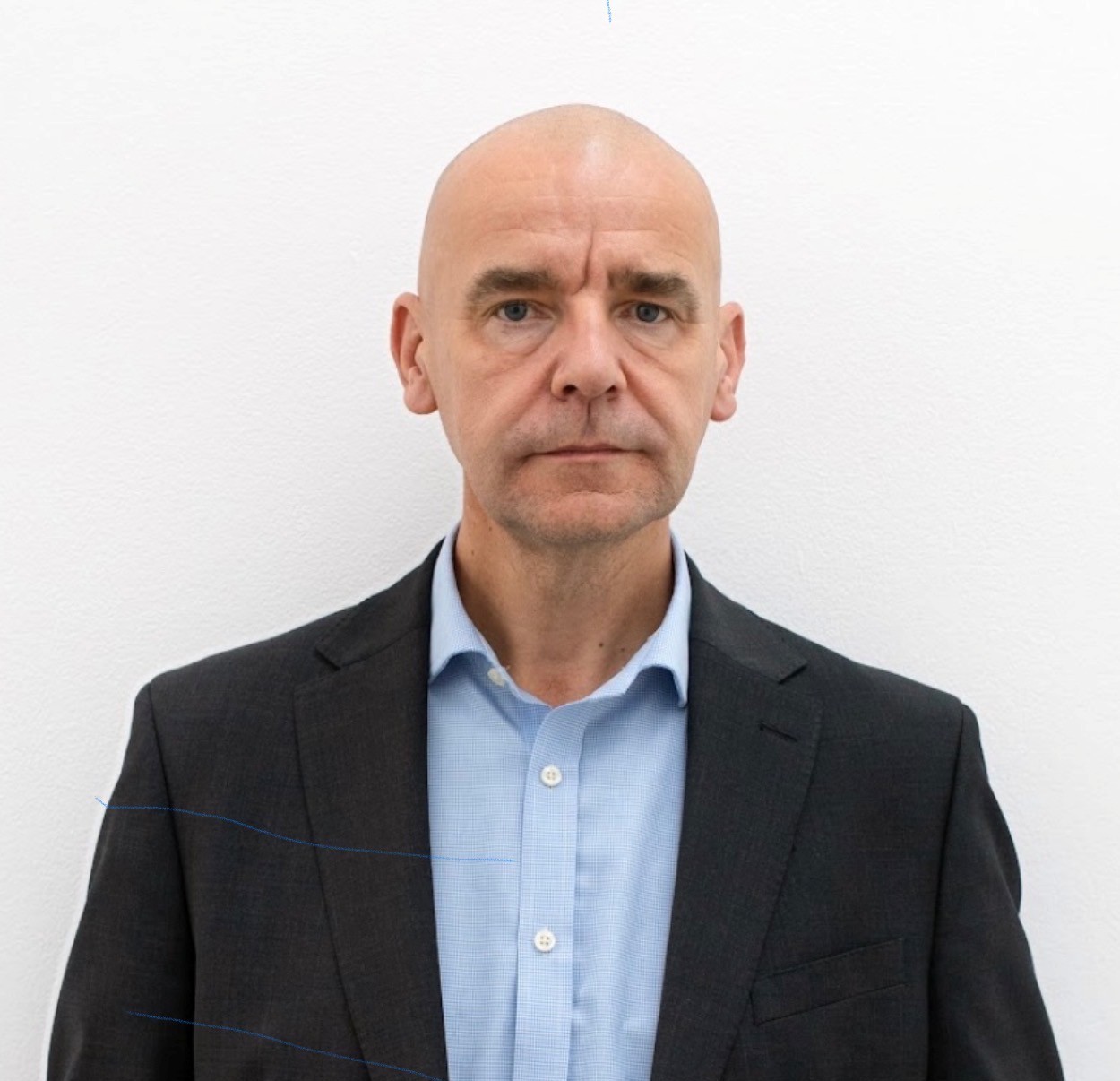
In our latest interview, Godfrey Worsdale, Director of the Henry Moore Foundation, talks to Rosanna Cundall, Partner & Consultant at Saxton Bampfylde, about the realities of managing an artist’s legacy, the limits of perpetuity, and the next generation of foundations.
Drawing on more than a decade leading one of the UK’s most significant artist foundations, Godfrey speaks candidly about governance, relationships with the artist’s family, funding pressures across the sector, and the question he and his Chair keep returning to: what would Henry do?
Artist foundations are a growth sector, but the questions that matter most – what they are for, how they should be governed, and when they should stop – remain surprisingly underexamined. Godfrey Worsdale, director of the Henry Moore Foundation, has spent a decade thinking through all three.
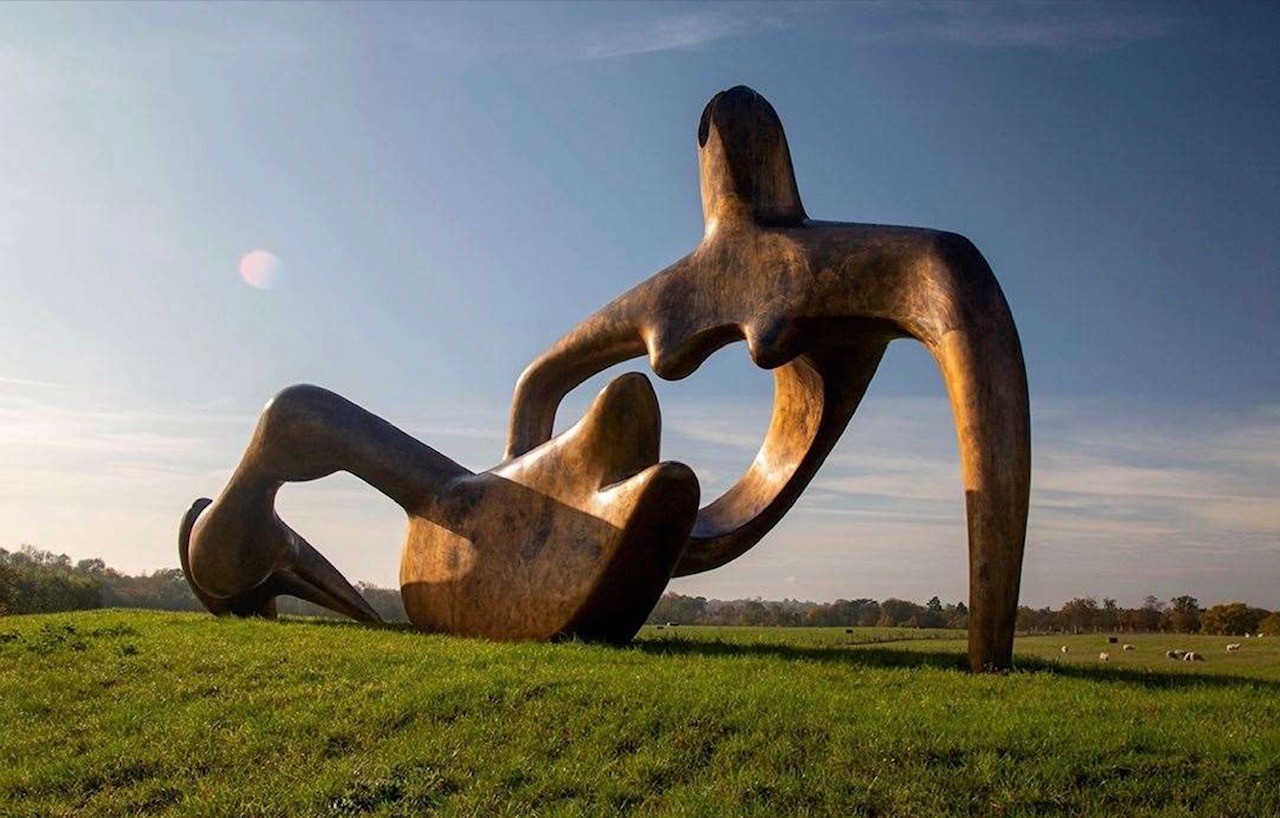
We speak at a moment of deliberate reflection for the Foundation. A new chair has recently been appointed, and Worsdale and the trustees are using the occasion to look again at their founder, not just at what Moore envisaged for the institution, but at who he actually was. ‘We’re really honing in on the personality of Henry Moore,’ he says. The exercise has surfaced several areas of particular concern with sculpture at the heart of things, alongside art historical scholarship, teaching and learning, support for younger artists and the wider sector, entrepreneurship and advocacy. This focus now shapes everything the Foundation does. Perry Green, Moore’s former home and studios in Hertfordshire, addresses the sculptor; the Henry Moore Institute in Leeds speaks to the scholar; the grants programme continues a commitment Moore developed before the Foundation existed, using his own money to support exhibitions and buy work by younger artists.
The Institute has long been recognised for its postgraduate and postdoctoral research, but Worsdale has grown concerned about something more fundamental: where the next generation of artists and art historians will come from. ‘The supply chain for the art historians of the future is slightly at peril because of the nature of art education in schools,’ he says. The Foundation has responded by investing in learning facilities for school-age children at both its venues, with the aim of making sculpture and its history feel genuinely accessible, not merely aspirational.
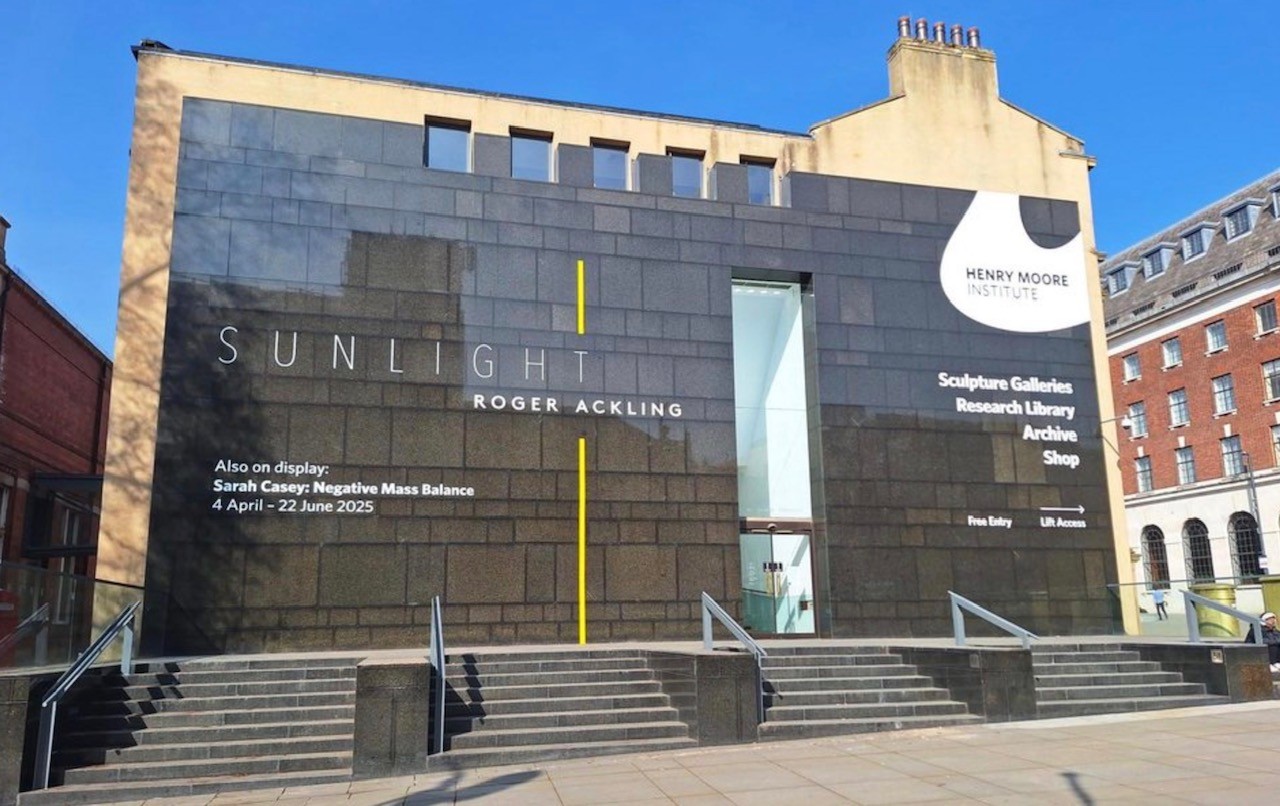
Moore himself was alert to these long-term questions. Before 1977, he had already been quietly underwriting exhibitions and buying the work of younger artists as a private individual. He had a hand in developing the Centre for the Study of Sculpture (later to become the Henry Moore Institute) then housed in the basement of Leeds Art Gallery, and was explicit that Perry Green should be preserved as a record of how a twentieth-century modernist sculptor actually worked. When he established the Foundation in 1977, he was 78 years old. Born in 1898, Moore’s generation grew up with a life expectancy, accounting for child mortality and two world wars, of around 40 years. ‘By 1977, when he set up his foundation, he may not have expected to have been involved with it for 10 years,’ Worsdale says. In the event, Moore lived to 86, long enough to shape the organisation he had created and see it through its first decade – the Foundation turns 50 next year.
The arguments for and against establishing a foundation during one’s lifetime are genuinely balanced. ‘It’s a matter of careful judgement. I would never say artists must do this,’ Worsdale says. Some artists want to focus on making work right through to the end of their lives and have no interest in what follows. Picasso famously resisted writing a will, a decision that generated considerable posthumous complications given the number of heirs involved. For artists who do care about their legacy, the challenge, in the end, is not founding but sustaining. ‘Henry Moore’s Foundation is 50 years old next year, and as there were no clear templates for success, the Foundation has had to develop its plans as it has gone along.’
“Henry Moore was successful commercially, which both realised key objectives and critically, it also enabled his Foundation to develop a remarkable programme of grant giving.”
What gives a foundation the best chance of succeeding in its aims? Worsdale acknowledges that some artists have done perfectly well without one. ‘Of course, an artist’s work is always the most important legacy.’ For those considering the value of establishing a foundation: ‘perhaps they are thinking about an enhanced legacy; the catalogue raisonné, managing an archive, placing key works into important collections, bringing specific publications into existence. If these things haven’t happened in an artist’s lifetime, a foundation provides a vehicle to realise these important objectives posthumously.’ The Henry Moore Foundation’s position is, in part, a function of its founder’s commercial success and remarkable generosity. Moore had the resources to endow the Foundation substantially from the outset, and that financial head start made its institutional ambitions possible. Worsdale acknowledges. ‘Henry Moore was successful commercially, which both realised key objectives and critically, it also enabled his Foundation to develop a remarkable programme of grant giving.’
The question of family governance is one Worsdale approaches with care. The Henry Moore Foundation had well documented differences with the artist’s family early on, but the current relationship with the artist’s descendants and particularly his daughter Mary, who does not hold a board seat but whose knowledge of her father is a resource the foundation draws on constantly, is one of genuine collaboration, shared objectives and strong support. Moore himself was quick to involve professionals from the outset. The eminent lawyer, Lord Goodman, sat on the original board alongside other influential figures of the day.
Moore generally preferred not to be represented by a single gallery, choosing to build relationships across the commercial sector. Today the Foundation works with Gagosian Gallery to strategically strengthen its ability to deliver its charitable objectives.’ Often an artist works with a gallery, and then posthumously the estate works with that same gallery developing the existing relationship to build the archive, the catalogue raisonné, to place key works and to develop the collector base.’
On funding, the Foundation offers a sharp illustration of the pressures facing the wider sector. When Worsdale arrived in post a decade ago, the Foundation was giving away half a million pounds a year in grants and receiving requests for two million; only one application in four could be met. It now gives away three-quarters of a million, but demand runs at eight, nine, sometimes ten times available resource. ‘That’s a real illustration of the pressures that the visual art sector is under,’ he says. Public subsidy, meanwhile, is very likely to come under increased pressure, potentially moving the sector, in Worsdale’s view, towards something closer to the American model, ‘where foundations are a fundamental part of the ecology.’ There may, however, be some cause for optimism. Worsdale cites recent research estimating that $3.5 trillion of cultural assets are held privately around the world, of which around $1 trillion is expected to pass to the next generation over the coming decade. ‘The possibility is that those inheriting this vast resource may choose to monetise it,’ he says, ‘in turn, that may facilitate greater philanthropic giving in the cultural sector.’ Private individuals, he suggests, may prefer to give or to work closely with existing charitable organisations: foundations are well placed to act as conduits, and Worsdale is clear about the broader need. ‘The cultural sector is obliged to constantly reimagine its financial future in a precarious world.’
“Work out what your ultimate aims are and commit to the right life expectancy, rather than create a millstone that is going to be hard to keep going.”
The foundation sector is growing, and with it a new appetite for peer exchange. Worsdale is active in the World Art Foundations network and cites both the Stoa network and the Aspen Institute’s Artist-Endowed Foundations Initiative as evidence of a sector developing collective identity, something, he notes, that ‘hasn’t happened in Europe until quite recently.’ ‘When we get together as a sector it feels good to be in a room with people facing similar questions but with real potential to make a difference.’ The Henry Moore Foundation is often amongst the older foundations: ‘We’ve been around much longer than others.’ But Worsdale finds the conversations hugely beneficial. Recent exchanges with the foundation of the painter Frank Bowling, who is still very busy in the studio, have been particularly valuable. ‘It makes us reflect on how we are operating now – how relevant we are half a century after being established, and so many years after our founder is no longer with us.’ A broader argument is for greater movement of professionals between the foundation sector and the traditional museum and gallery world. ‘There should be an increased flow of professionals between the foundation world and the gallery sector,’ he says, there are so many areas of overlap, and there is a great deal of knowledge to share and the two will become increasingly reliant.’
When artists and collectors come to Worsdale wondering whether to establish a foundation, his advice is consistent. ‘Enter into this with an affordable but generous model,’ he says. ‘It can feel like this is all about preserving a person’s legacy. But what makes foundations successful is that they set about their work with a primarily charitable mission that they want to deliver, to do good in some area.’ On longevity, he is equally direct: ‘Work out what your ultimate aims are and commit to the right life expectancy, rather than create a millstone that is going to be hard to keep going.’ For those with sufficient resources, for instance, a purposeful 20-year spend-down can ensure the key objectives are properly realised. Where resources are more limited, a shorter, more focussed mission may be more reasonable.’
“What would Henry do? How would Henry Moore see this? It creates an enduring benchmark against which we can consider our ambitions and progress.”
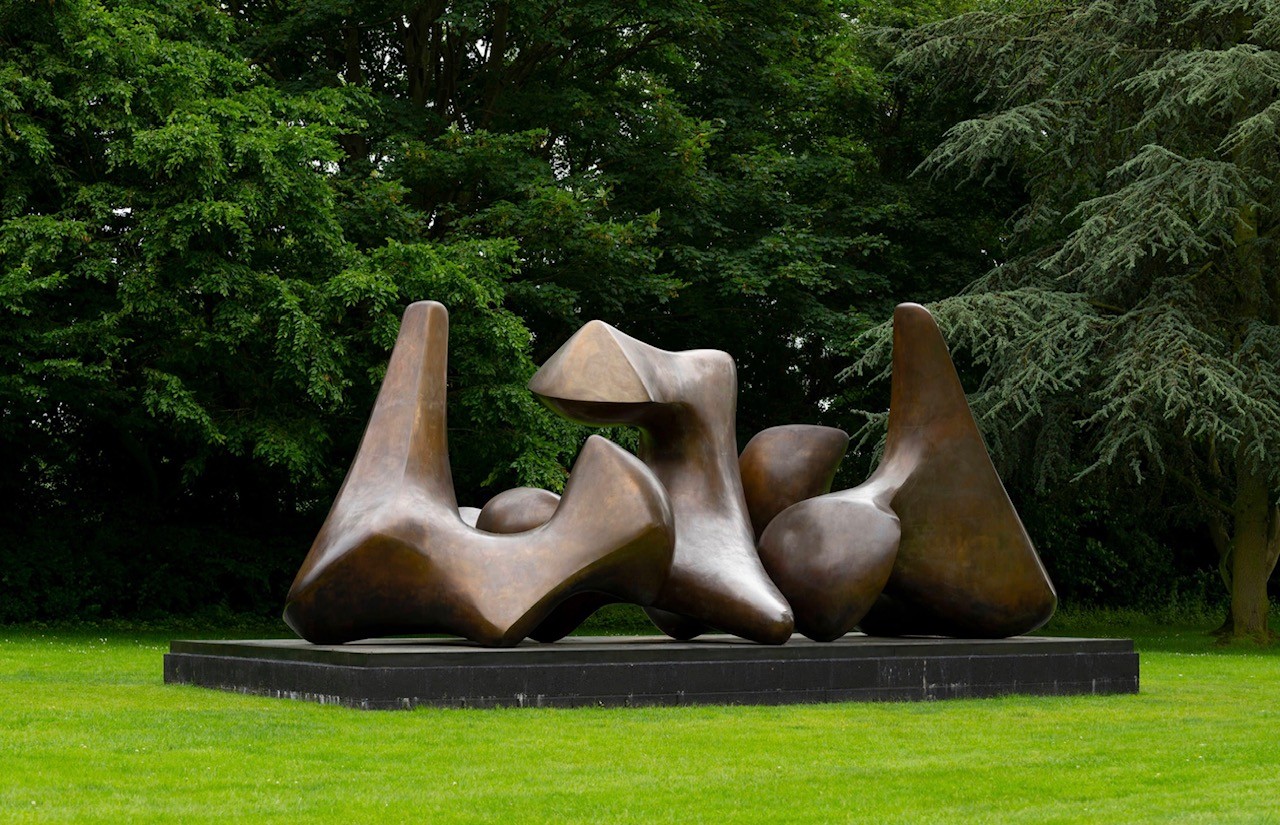
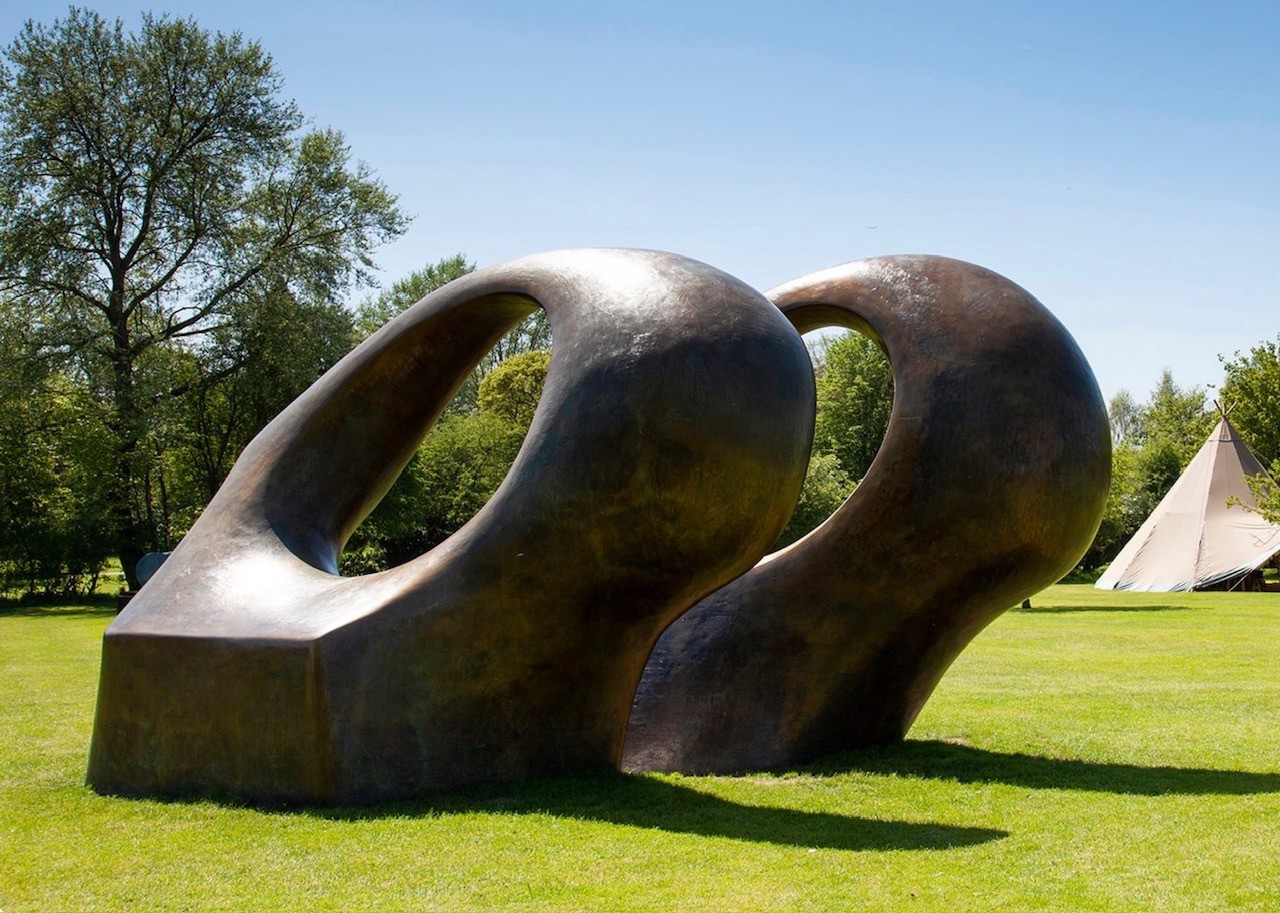
The Henry Moore Foundation has recently opened what Worsdale describes as ‘one of the most significant Henry Moore exhibitions the Foundation has realised to date ‘ in partnership with the Royal Botanic Gardens, Kew: with more than thirty monumental sculptures across the grounds, alongside an indoor exhibition tracing Moore’s relationship with the natural world. Simultaneously, a new gallery at Henry Moore’s Studios & Gardens in East Hertfordshire – the redeveloped Sheep Field Barn – reopened this April – describes the full arc of Moore’s career, from his early years as a student in Leeds through to the end of his life. Alongside it are wonderful new light-filled studios where visitors and school groups can not only learn about sculpture from Moore’s own practice, but also participate in making.
The activities of grant-giving and advocacy, and the ambitious provision and support of all levels of learning, study and first-hand experience of sculpture, collectively help the Foundation to address the question of how to recognise the founder’s intentions. It is one Worsdale and his Chair Lord David Isaac return to regularly, by asking ‘‘What would Henry do? How would Henry Moore see this?’ It creates an enduring benchmark against which we can consider our ambitions and progress.’
Godfrey Worsdale OBE is Director of the Henry Moore Foundation. Henry Moore at Kew is open at the Royal Botanic Gardens, Kew until January 2027.
Sector team
Rosanna Cundall Consultant
View Rosanna Cundall
Ed Bampfylde Head of Arts, culture & creative industries
View Ed Bampfylde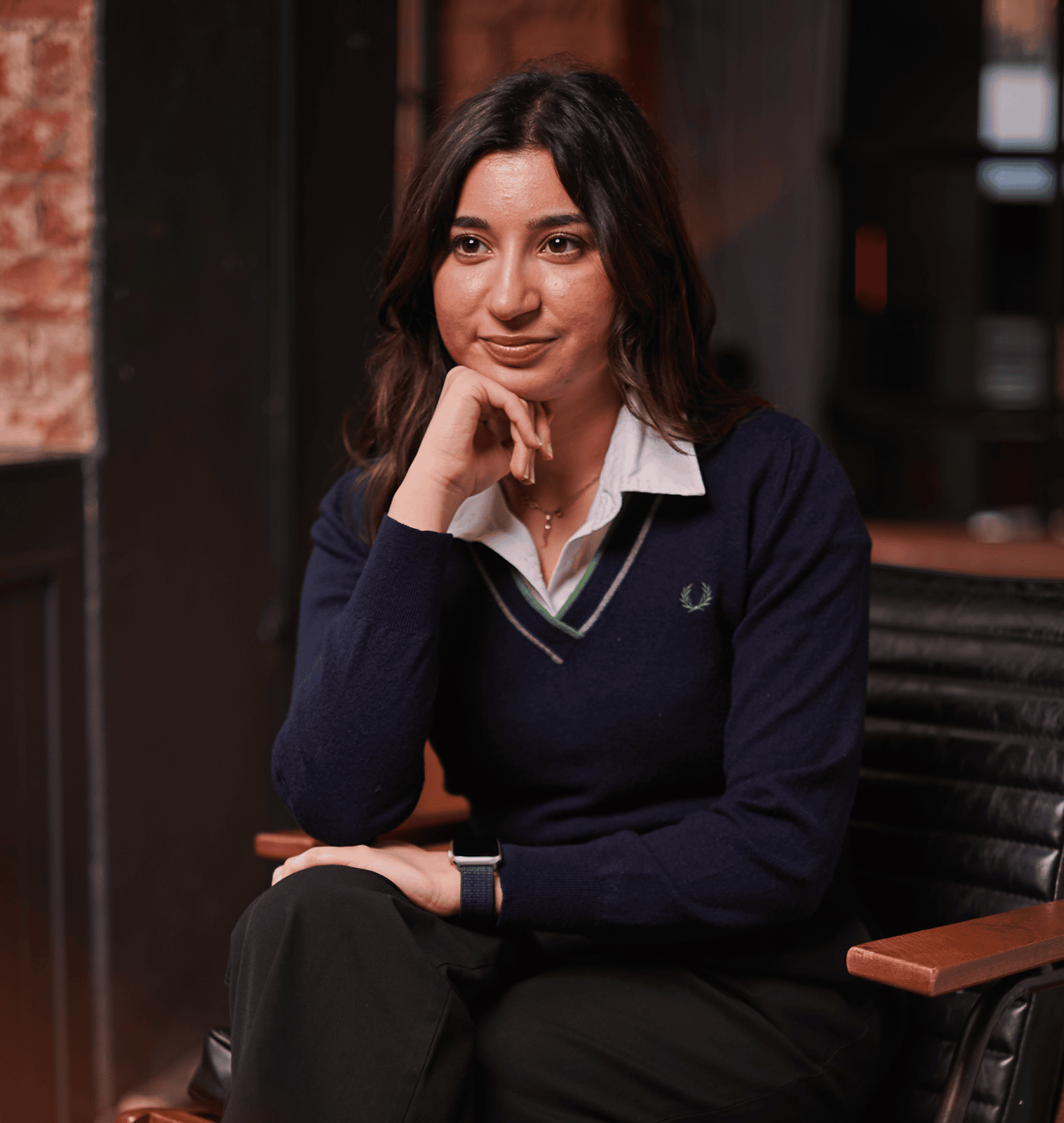
Bianca de Santis Co-Head of Research
View Bianca de Santis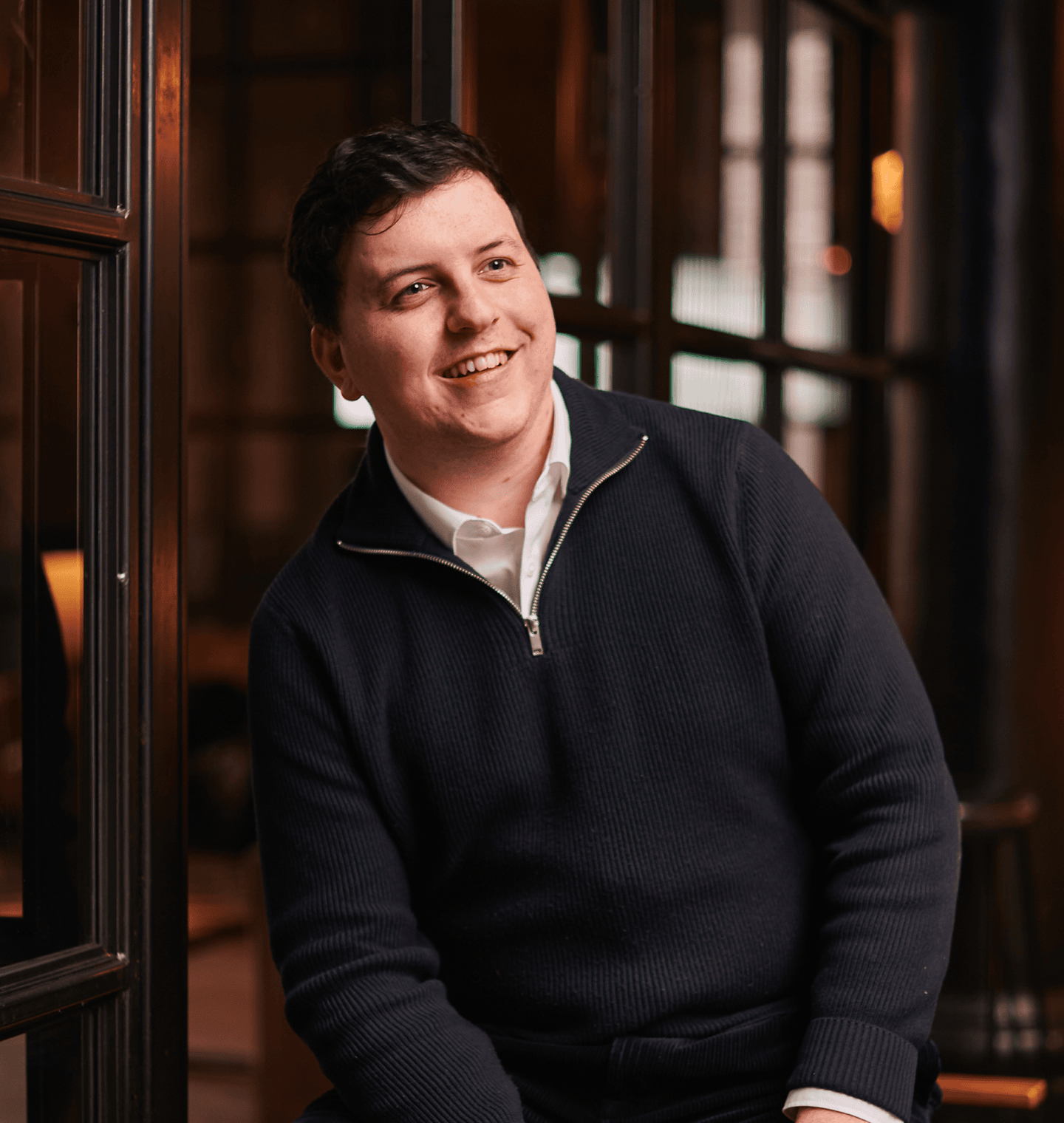
Anthony Wood Associate Consultant
View Anthony Wood
Related Insights
Articles
High Stakes, High Performance: What Elite Sport Teaches Leaders
View High Stakes, High Performance: What Elite Sport Teaches Leaders
Articles
The Journey of a Search CEO Podcast: Kate Ludlow
View The Journey of a Search CEO Podcast: Kate Ludlow
Articles
Enter the tiger: it’s time for the UK’s creative industries to take India seriously
View Enter the tiger: it’s time for the UK’s creative industries to take India seriously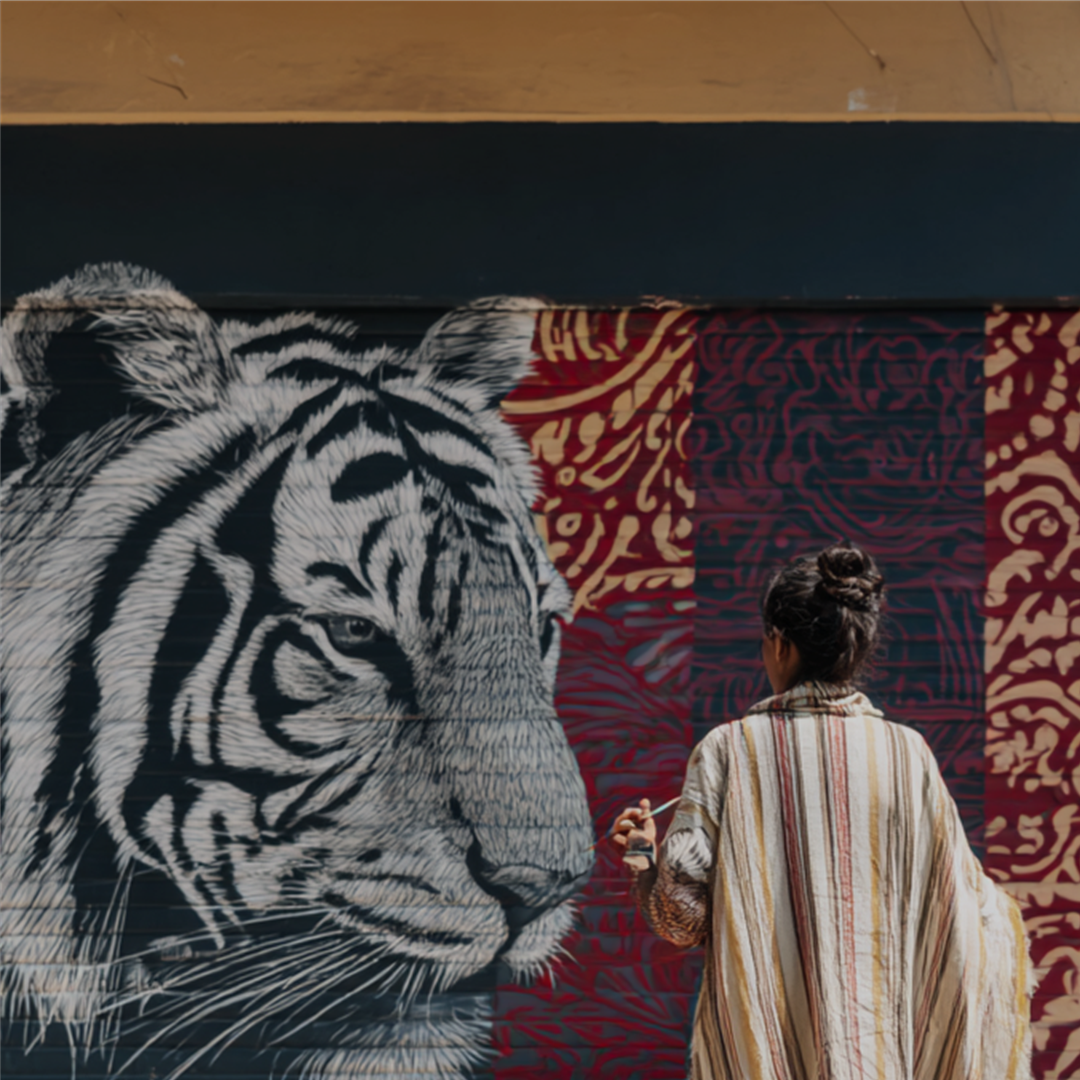
Insights
ActionAble publishes 2025 Impact Report
View ActionAble publishes 2025 Impact Report
Articles
We’re in this together: Celebrating Employee Ownership Day 2025
View We’re in this together: Celebrating Employee Ownership Day 2025
Articles
Future Generation Leadership
View Future Generation Leadership
Events
Empowering the next generation of board leaders
View Empowering the next generation of board leaders
Articles
Take Five
View Take Five