Insights
Board Talk: The Next Twenty-Four Months: Boards and the Speed of AI
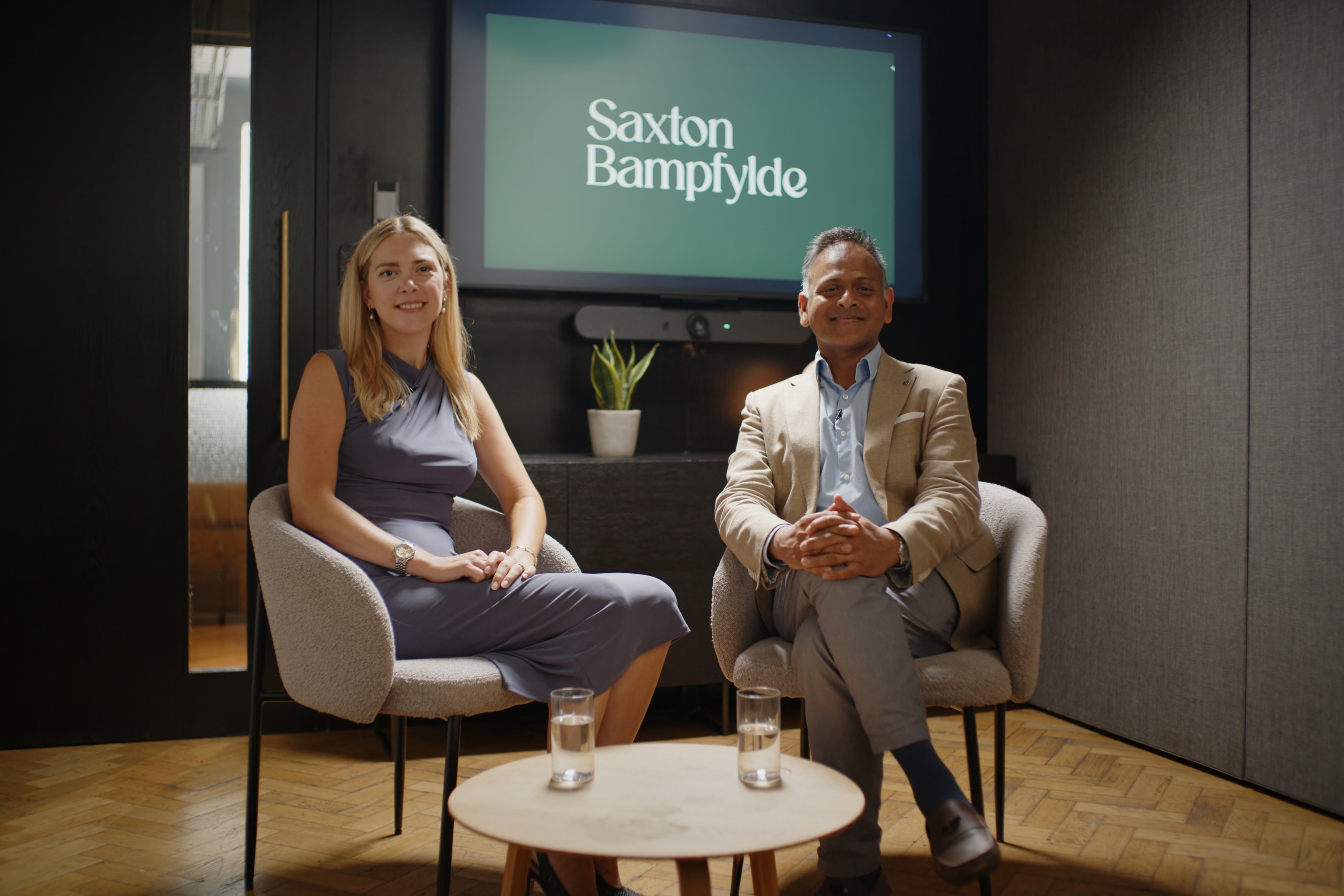

You have been an advocate for dispelling the stigma surrounding mental illness in the workplace. Can you tell us a little more about what inspired you to talk so openly and honestly about this?
I have worked in the media for 25 years as a journalist, glossy magazine editor and CEO of a global branded content agency. The media is a very ‘up’ industry and I when I first had an episode of depression and anxiety many years ago, I was terrified that anyone would find out at work so I hid it from everyone, including family and friends, for years. I had a recurrent episode when I was a CEO and was coping with a stressful job and a very ill dad. There was no option but to tell my then boss, Dame Cilla Snowball. She was fantastically supportive and understanding.
Some time later, through contact with a movement called Minds at Work, Cilla heard that they were going to do the first event where CEOs talked about their own experience of mental ill health. She encouraged me to talk at this event and tell my story as she felt that it could really make a difference.
Because I was going to talk publicly about mental health, I felt that I really should tell my own team the reasons why I was doing this event. I stood up and told the whole 150 strong team what had happened to me. And the response was extraordinary. At least 12 other people suddenly felt free to say ‘me too’ and to talk openly about their experiences of mental illness – either themselves or in their close family.
That really showed me the immediate impact that being open about mental illness can have on a team. Every time I have spoken about it since, I know I am never on my own in a room and there is always at least one person who says “I’ve never said this before but…” I think being open about mental illness helps to normalise it which is incredibly important because it is normal.
According to the charity Mind, at least one in four of us in any year in the UK will experience some form of mental illness. If talking openly helps one more person ask for help then it’s been worth it. I also think it’s important to show that you can and do get better if you get the right help and it really doesn’t have to be career ending.
“I think being open about mental illness helps to normalise it which is incredibly important because it is normal.”
Mental health has been a significant talking point in recent years. What steps do you think companies should take to ensure their investment in employees’ mental wellbeing is made real through their values and company structure?
I think this is a really important question as it’s not enough to pay lip service to being supportive around mental health and then pursue company policies and allow behaviours that pull directly against that.
The only asset that many companies have, particularly creative industries, is people and the ideas in their heads. It’s so important that companies pursue a ‘people first’ policy.
Some things that I think can really help are:
“I once saw an email which was sent round congratulating a team on the extremes to which they had gone to win a pitch – including one man missing his best friends stag night. That is unbalanced and unhealthy.”
What measures should leaders put in place to protect staff well-being while remaining ambitious and forward looking in business decisions?
Don’t set unrealistic targets or keep moving the goalposts. Asking a committed and hardworking team to deliver 10% growth every year with 10% fewer staff is not ambitious, it’s cruel.
There’s an unpleasant tendency in some companies -– particularly those with distant parent companies – to think it’s clever not to listen to concerns around the demands being placed on staff and just demand the delivery of the numbers.
Put in place clear measures and targets but spend even more time on planning how you’re going to reach those targets with the resources you have. Talented people are attracted to, and very motivated by knowing that they are going to be able to go to a company and do some of their best work. Although all companies have constraints, you can look at these constraints as a way to bring out good creative thinking. But that needs flexibility and good creative thinking at all levels.
And plan beyond the next quarter so there is a clear direction and purpose that everyone on your team can buy into.
What advice would you give to someone who is keen to open up the conversation about mental health in their workplace?
It’s not a subject that you should Google and then appoint yourself an expert. I would start with contacting one of the many excellent mental health charities or organisations who can help to give companies great advice, support and pathways to opening up the conversation. Business in the Community has some excellent resources to help employers and managers, for example.
Finally, can you share with us some of the techniques or systems you have encountered that might help individuals struggling to prioritise their mental wellbeing and that can help achieve a good balance between career and personal life?
These are just some of the things that have worked for me and I have passed on to others.
“Put together a mental health committee to keep mental health firmly on the agenda – so that we don’t just think about it on World Mental Health Day.”
Insights
Insights

Insights
Insights
Insights

Articles

Articles

Insights

News
Articles
