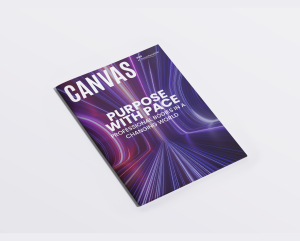
Professional bodies are complex things. They represent multi-faceted professions, which themselves often span sectors and borders. They represent the interests both of their members and of the public. They often contain a very wide array of activities, including as businesses, as media commentators, as influencers and leaders of policy development and, sometimes, as regulators. The last of these in an environment where the role and structure of regulation itself is under pressure. Few other organisations face such a varied and daunting array of challenges.
Many professional bodies have an amazing heritage. Their history and traditions are huge assets but can also be liabilities. Many have found that governance structures which once served them well have struggled to always deliver the pace, level of scrutiny or the variety of external skills and perspectives which are needed today. Many have sought to renew and reform those structures, but that is no easy task.
For this edition we have talked to three different senior leaders, at board and CEO level, to understand how their organisations are approaching these challenges.
With a very extensive non-executive background and in her second term as Chair of the Board at the Chartered Insurance Institute, we were delighted to speak to Dr Helen Phillips. The role of insurance is pivotal in almost every aspect of daily life and with a vast global membership, has a responsibility to its members and consumers to support the evolution and new challenges facing the profession. This comes with a far greater emphasis on professionalism and collaboration to drive consumer confidence and public trust in financial advice – pivotal to economic growth and stability.
We were also pleased to have the opportunity to talk to Liz Peace CBE, a highly experienced executive and non-executive leader, who was Chief Executive of the British Property Federation for 13 years. In 2024 she was appointed Senior Independent Governor at the Royal Institution of Chartered Surveyors (RICS) following the Bichard Review, which was undertaken to address governance failings within the organisation. She shares her perspective on the importance of independent and external experience to help support and evolve one of the UK’s largest professional bodies in its approach to governance, whilst maintaining an emphasis on its members and how best RICS can help them serve the needs of their clients and society. In her role she highlights the importance of maintaining a focus on remaining current and relevant, to be a service of value to members and how benefit can be found from those who sit outside that day-to-day function to bring new and broader thinking in a collegiate and collaborative approach.
We were also very pleased to talk to Marcial Boo, the recently appointed Chief Executive of the Insolvency Practitioners Association and the Chair and a founding member of the Institute of Regulation. His experience in leading other complex regulatory organisations through challenging periods such as such as the MPs’ spending watchdog, IPSA; the health regulator UKPHR which he led through Covid; and the Equality and Human Rights Commission, has reinforced his view that independence is paramount, as well as conviction and courage, to ensure the best outcomes for each sector and the publics it serves. He has entered the insolvency sector at a time of significant potential change to its regulatory environment. We also talk about why and how he helped to establish the Institute of Regulation and its ambitions and achievements to date.
In this edition we also welcome one of our newest consultants – Nick Ricketts – who has joined Saxton Bampfylde recently and brings a wealth of experience working in executive search across international NGO’s.
We do hope you enjoy this edition and welcome any feedback you may have.