

Following on from his vast journalism experience and more than 20 years of interviewing Chief Executives across a range of sectors, we were thrilled to have James Ashton join us for a webinar to discuss some of the themes of his excellent second book: The Nine Types of Leader.
Many commercial CEOs and HR leaders contributed to the valuable conversation, and below we draw out a few highlights from James about his thoughts on the evolving shape of leadership and what the future of success could look like.
We hope that you find this a useful summary.
More avenues are now leading to credible leadership
Historically, we have seen very traditional routes into CEO roles, from a narrow range of functional roles. What is clear is that the market is far more open-minded now. Marketeers, HR Directors and specialists in PR and Corporate Affairs, amongst others, are increasingly reaching the top table, and subsequently, the diversity of those in leadership roles is also improving. With much of the CEO role’s emphasis on external interaction, consumer knowledge and communication skills are becoming more valuable. What’s more, academic brilliance has proved to be only one part of what success looks like; companies are increasingly looking for all-rounders. Those with a history of competing in professional sports, for example, have often been able to transfer determinedness, focus and discipline into CEO capabilities.
Humans have been thriving through the Covid-19 crisis
Previously overlooked leadership traits are gaining more attention. The ‘Humans’, ‘Campaigners’ and ‘Diplomats’ are often able to bring a more personable approach to interaction, and a sense of purpose to their organisations: given all that has happened in the last year, making sure workforces feel listened to and appreciated cannot be underestimated. Profit has not been forgotten, but the social emphasis has been brought to the heart of decision making. Loyalty has been a major challenge when navigating the pandemic, and employees are seeking authenticity and honesty from their leaders. Today, fostering a culture of inclusivity and approachability is a key aspect of leadership.
The ‘Talent Factories’ are evolving
Historically, companies like P&G, Unilever and the Big Four, with their reputation for outstanding training, have nurtured graduates through their starting roles and created reliable hires with strong leadership potential. Whilst these companies continue to produce brilliant employees, some new kids on the block have emerged. The majority of these companies sit in Silicon Valley – think Amazon, Apple, Facebook and Google. Boards are increasingly seeking leaders with an innovative mindset and an understanding of digital development, and these companies are producing dynamic, hard-working leaders who can think outside of the box. James noted the importance of getting a mentor early; he also observed that those with experience working as a bag carrier to leaders, such as chiefs of staff, often thrive when faced with the personal responsibility later in their career.
The inevitable constants
Many are of the view that the ‘Alphas’ have had their time at the top, but such types will always be around, though perhaps with some softening around the edges: Silicon Valley is a good example of where Alpha behaviour remains common. There will always be ‘Founders’ (the best ones knowing when to hand over the reins) and ‘Scions’ (predetermined for their role from when they were children), and ‘Fixers’ are perhaps more in need than ever. ‘Diplomats’ will thrive across sectors. We will continue to see successful lateral moves as leaders are driven by their passions and interests, and the purpose and values of companies, rather than what looks best on the CV. This may have come more into focus for many people in the last year, and there could be CEOs seeking to become more of a ‘Lover’ – driven by passion rather than the optics of a move. Just as we have seen third sector leaders become more commercial, we are also observing commercial leaders looking for more purpose and mission.
About
James Ashton was city editor and executive editor at the London Evening Standard and Independent and before that city editor at The Sunday Times and chief city correspondent at the Daily Mail. During this period he covered some of the biggest economic and corporate stories of recent times.
Today he regularly writes columns and interviews for several national newspapers including the daily and Sunday Telegraph and The Times on business, leadership, technology and investment. His podcast, ‘Leading with James Ashton’, features bosses from the worlds of business, charity, the arts and sport, swapping stories about how they learnt to lead.
Sector team

Vidhu Sood-Nicholls Consultant
View Vidhu Sood-Nicholls
Stephen Bampfylde Co-Founder & Non-Executive Chair
View Stephen Bampfylde
Sophie Tredinnick Head of Government Practice
View Sophie Tredinnick
Siân Brown Consultant
View Siân Brown
Rhys O’Connell-Davies Project Manager, Health Practice
View Rhys O’Connell-Davies
Dame Ruth May DBE Senior Advisor to the Health practice
View Dame Ruth May DBE
Rhianna Connolly Consultant
View Rhianna Connolly
Rebecca Wallace Associate Consultant
View Rebecca Wallace
Nick Ricketts Consultant
View Nick Ricketts
Mary Few Consultant, Head of Scotland
View Mary Few
Martin Reader Senior Advisor to the Schools' Practice
View Martin Reader
Jo Ogilvy Consultant
View Jo Ogilvy
Gracie Linthwaite Associate Consultant
View Gracie Linthwaite
Ginny Jones Consultant
View Ginny Jones
Eugenia Gonzalez Consultant, Head of Higher Education Practice
View Eugenia Gonzalez
Aidan Kennedy Head of Social Impact Practice
View Aidan Kennedy
Corrie Cowlard Consultant
View Corrie Cowlard
Brett Anderson Consultant
View Brett Anderson
Emma Hattersley Head of Schools' Practice
View Emma Hattersley
Kate Ludlow CEO & Consultant
View Kate Ludlow
Jonathan Morgan Deputy Chair & Head of Regulation Practice
View Jonathan Morgan
Alex Richmond Head of Health Practice
View Alex Richmond
Alice Brent-Smith Researcher
View Alice Brent-Smith
Augusta Bunting Head of Board Practice
View Augusta Bunting
Related Insights
Insights
Board Talk: The Next Twenty-Four Months: Boards and the Speed of AI
View Board Talk: The Next Twenty-Four Months: Boards and the Speed of AI
Insights
University governance is about stewardship, strategy and long-term value
View University governance is about stewardship, strategy and long-term value
Insights
Lessons on Leadership from the World of Sport
View Lessons on Leadership from the World of Sport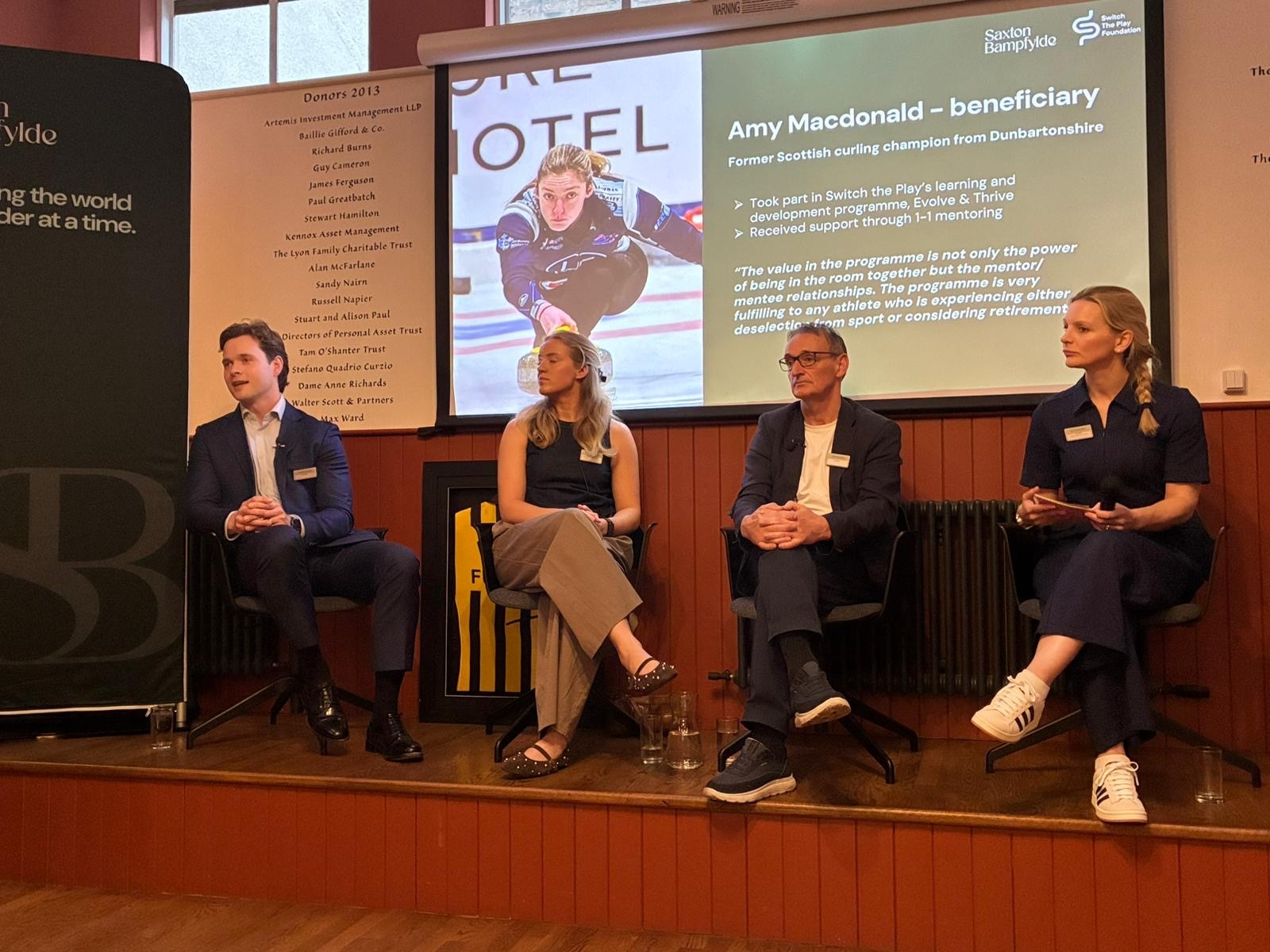
Insights
Leadership, legacy and the emotional weight of family business
View Leadership, legacy and the emotional weight of family business
Articles
The Future of Integrated Care: Leadership, Inequality and System Transformation
View The Future of Integrated Care: Leadership, Inequality and System Transformation
Articles
Designing Boards to Think Strategically
View Designing Boards to Think Strategically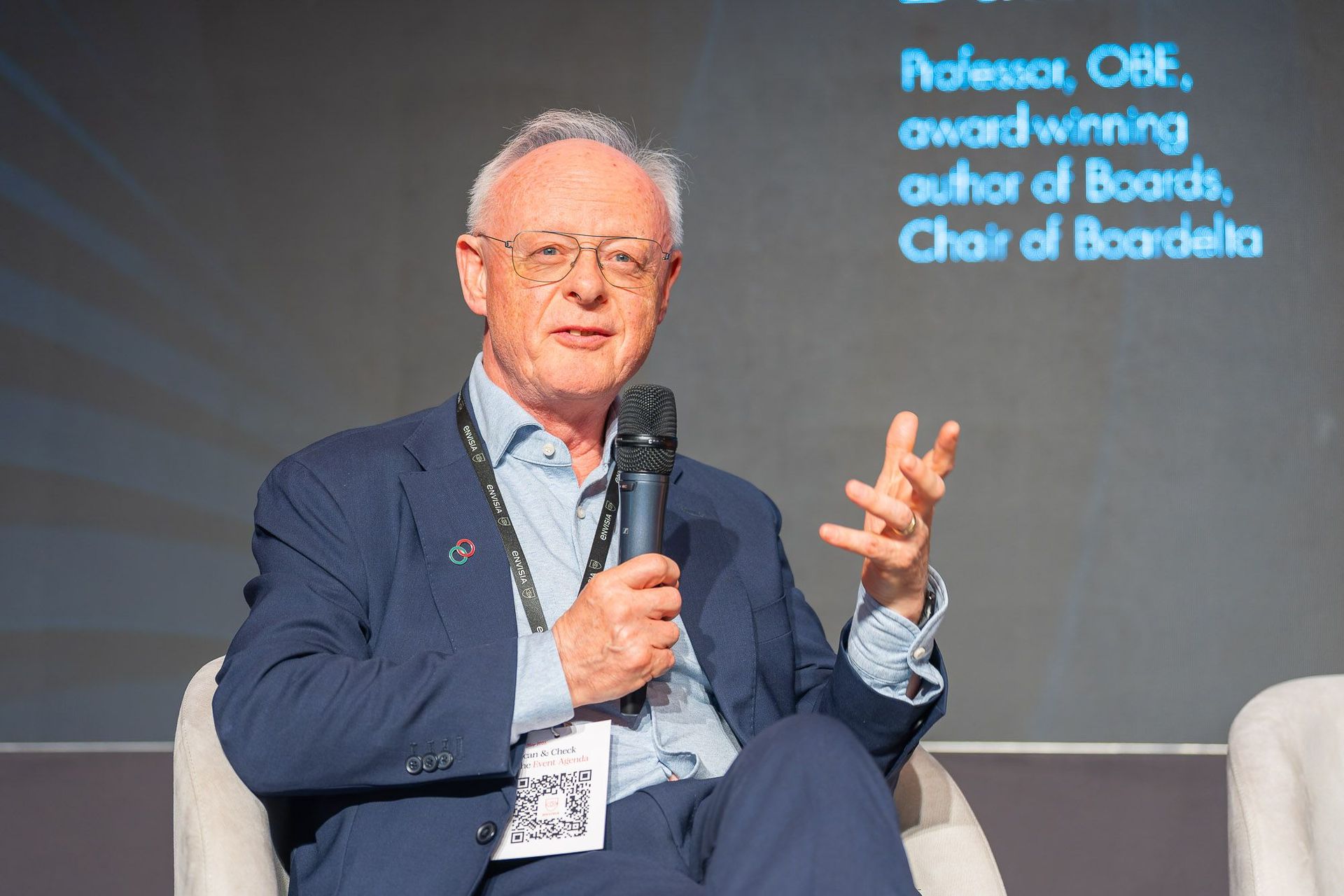
Insights
Independent Schools at the Crossroads: Strategy, Scale and Survival
View Independent Schools at the Crossroads: Strategy, Scale and Survival
News
Vice-Chancellors gather for an evening of open conversation
View Vice-Chancellors gather for an evening of open conversation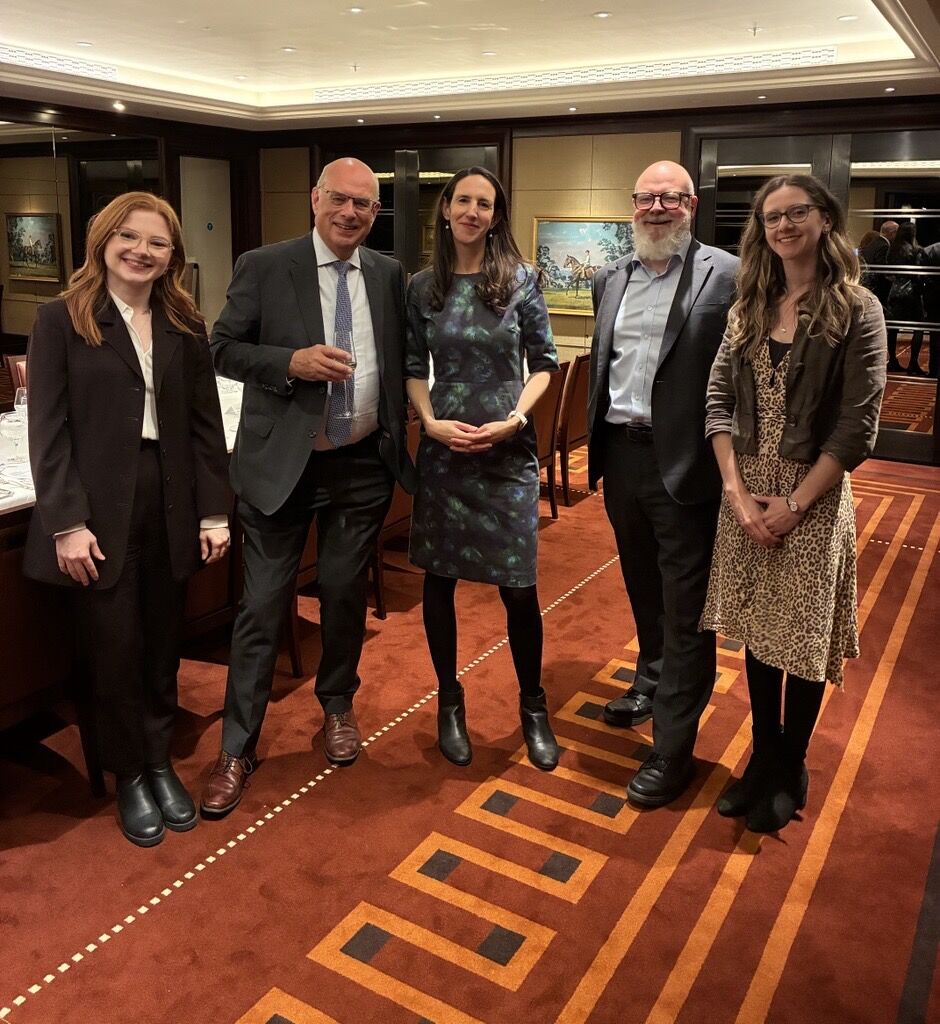
Articles
Transformation isn’t a cost-cutting exercise. It’s a different way of working.
View Transformation isn’t a cost-cutting exercise. It’s a different way of working.
Articles
Board Talk
View Board Talk